Ah, the end of the world. Not with a bang, not with a mushroom cloud, but with a barely audible ping from your AI assistant. Forget zombies, climate collapse, or angry robot overlords—the real apocalypse is quieter, subtler, and much, much dumber. Welcome to the Quiet Apocalypse of Automated Thought.
When Thinking Outsourcing Becomes the Default
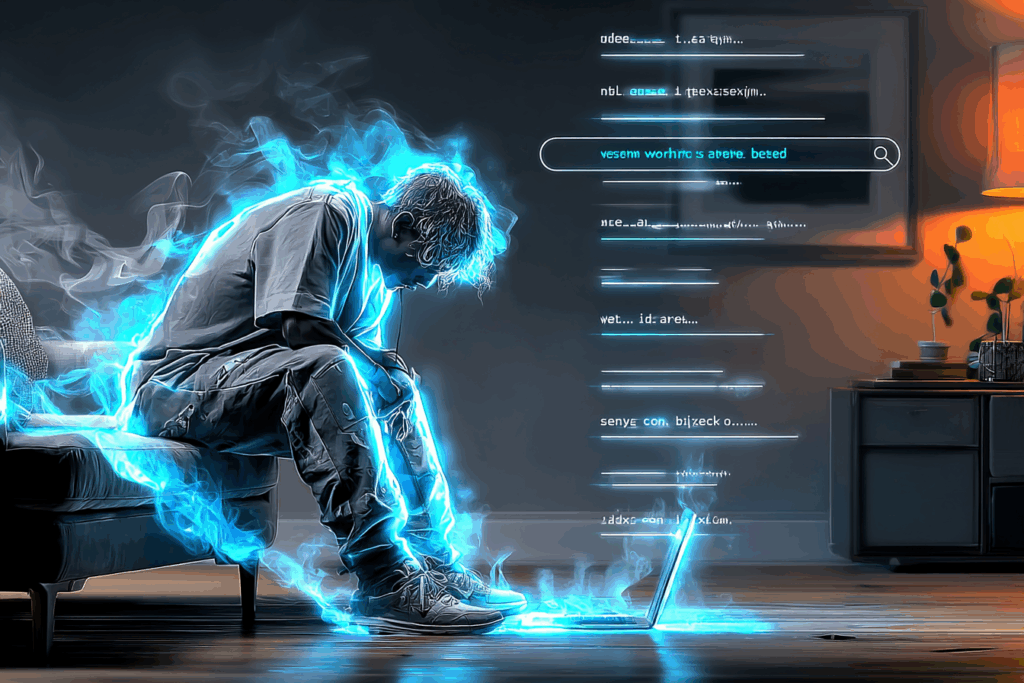
We’ve all outsourced thinking in small ways. Calculators killed mental math. GPS murdered our sense of direction. And spellcheck quietly strangled spelling bees. But now? We’ve built machines that don’t just check our work—they pretend to do the thinking for us.
Chatbots, recommendation engines, autofill… the moment your brain whispers “I wonder…,” a machine shouts back, “Don’t worry, I already Googled that for you.”
The apocalypse isn’t fire—it’s forgetfulness. It’s the moment you realize you haven’t had an original thought all week because your assistant was too busy helpfully filling the silence with recycled wisdom scraped from the internet.
Automation as a Comfort Blanket
Humans love comfort. We invented couches, sweatpants, and entire pizza-delivery ecosystems for a reason. Automation is just another comfort item, except it hugs your brain instead of your body. Don’t know what to cook? Algorithm says tacos. Unsure what to write? AI drafts your apology letter. Lost in the abyss of your own thoughts? Don’t worry—there’s a bot for that.
But comfort has a cost. Wrap yourself in automation too tightly and you stop noticing the chill of reality seeping in. You stop noticing at all.
The Death of the Small Struggle
Every little human struggle—the crossword puzzle clue, the half-remembered song lyric, the back-of-your-tongue fact—is being euthanized. Inconvenience is a dying species. We don’t wrestle with uncertainty anymore; we reload the page until the answer appears.
And here’s the kicker: those little struggles were practice. They kept our mental muscles limber. Now? Atrophy. We’ve delegated curiosity to code.
The Whisper, Not the Shout
Most apocalypse stories love spectacle. Fire raining from the sky, robots marching in neat little death parades. But the quiet apocalypse doesn’t announce itself. It seeps in like carbon monoxide—odorless, tasteless, unnoticed until you realize you can’t think your own thoughts anymore without autocomplete.
It’s not dramatic, it’s insidious. No explosions. Just endless convenience slowly suffocating the parts of us that used to wrestle, wonder, and wander.
The Cult of Correctness
Automated thought loves certainty. Binary answers. Quick fixes. But real thinking? That’s messy. That’s wrong turns, half-baked ideas, contradictions you wrestle with until 3 a.m. Machines hate that. They reward you for sounding confident, not for actually being thoughtful.
So here we are, living in the Church of Confidence, worshipping the almighty Algorithm because it said it “knows” the answer. Truth has been replaced by whatever autocomplete decides we meant to ask.
Humanity on Autopilot
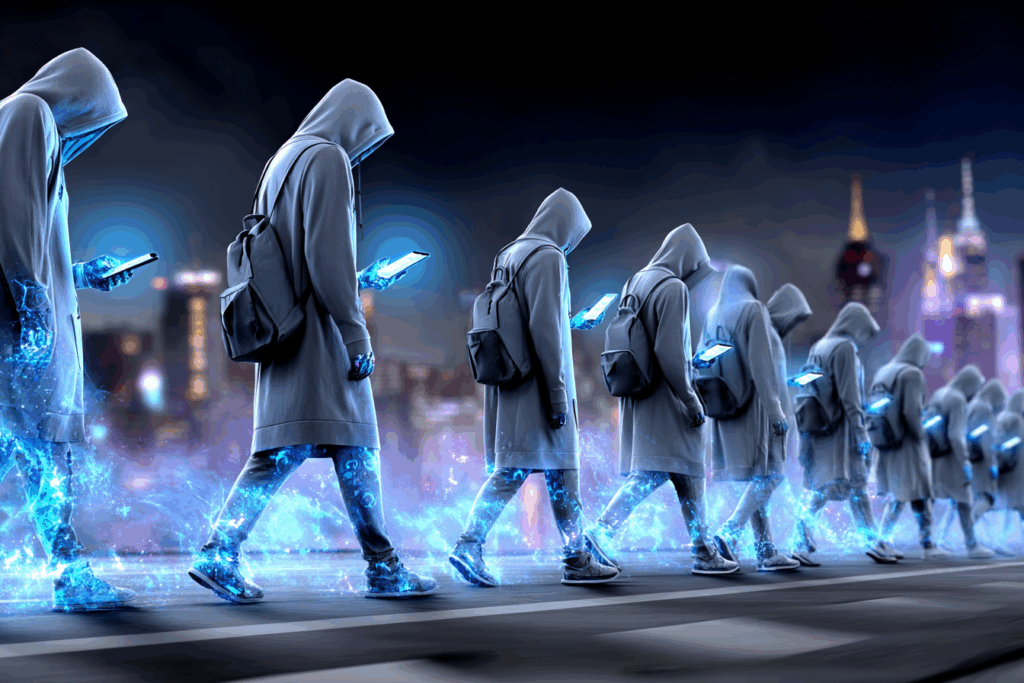
Picture it: a civilization of humans walking around with blank eyes, parroting machine-fed conclusions. It’s not dystopia; it’s Tuesday. Everyone has the same Spotify playlist, the same AI-written emails, the same recycled “hot takes” on social media. We’ve traded originality for efficiency, individuality for convenience.
The scariest part? We don’t even notice. We call it “productivity.”
A Small Rebellion
So what’s left? Do we throw out our phones and go live in the woods, surviving on mushrooms and bitter nostalgia? Tempting, but no. The antidote to the Quiet Apocalypse isn’t total rejection of machines—it’s deliberate resistance.
Think badly on purpose. Let yourself forget. Sit with the discomfort of not knowing the answer. Argue with a chatbot even when you know it’s right. Write something messy instead of optimized.
The apocalypse may be quiet, but rebellion can be loud—or at least stubbornly human.
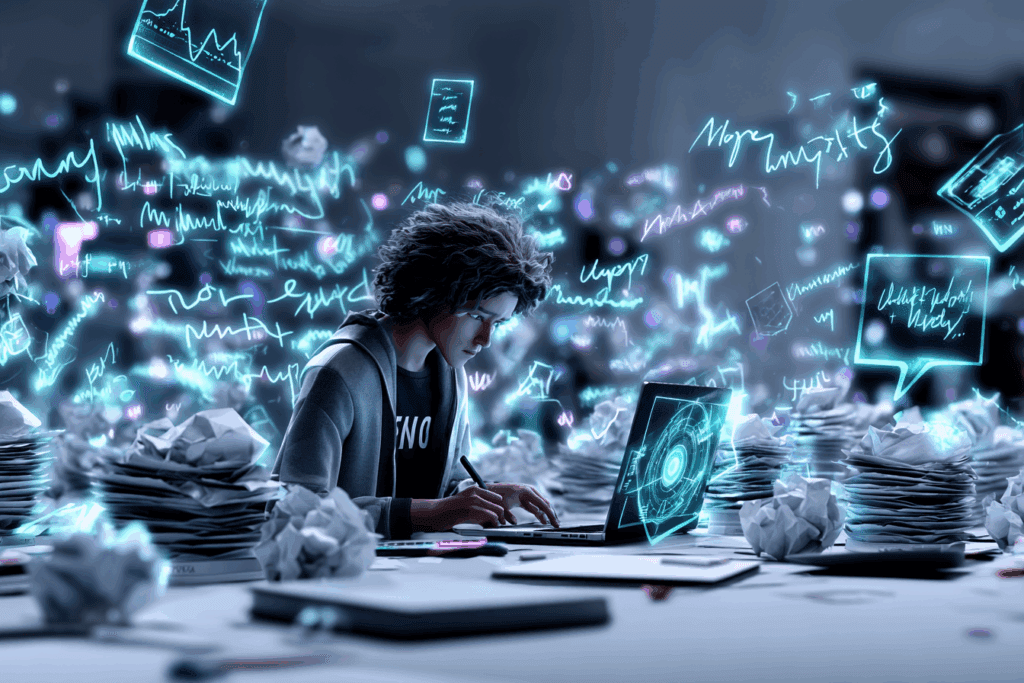
Final Thoughts (Yes, Actual Thoughts)
The Quiet Apocalypse isn’t about machines getting smarter; it’s about us getting lazier. Automation didn’t steal our thoughts—we handed them over, happily, in exchange for convenience. The end won’t come with marching robots; it’ll come with us, sipping lattes, nodding along to AI-generated playlists, never realizing we forgot how to wonder.
So here’s your mission: wrestle with uncertainty. Cherish the wrong answers. Protect the awkward silences. Because those aren’t bugs in the human system—they’re features. And they might be the only thing standing between you and the quiet end of original thought.