
Most people aren’t using AI the wrong way. They’re using it in perfect alignment with how little thinking they were willing to do before. AI didn’t lower the bar. It revealed where it already was.
Artificial Intelligence
52 posts

AI hasn’t made people stop thinking. It’s made it easier to stop pretending they were thinking in the first place. When answers sound finished, curiosity quietly exits the room.

We talk about AI as if it’s an unstoppable force arriving from the future. But inevitability is a story we tell ourselves when we don’t want to examine the choices we’re already making. The real shift isn’t coming. It’s happening quietly, one decision at a time.

People say they’re afraid of AI becoming too intelligent. But what really unsettles them is how familiar its thinking looks. Pattern-matching, repetition, borrowed confidence. The machine didn’t invent that behavior. It mirrored it.

Calling AI a neutral tool sounds responsible, but it is mostly a way to step out of the conversation. Tools shape behavior, reward certain choices, and quietly dissolve accountability when no one claims authorship. Neutrality is not caution. It is convenience.




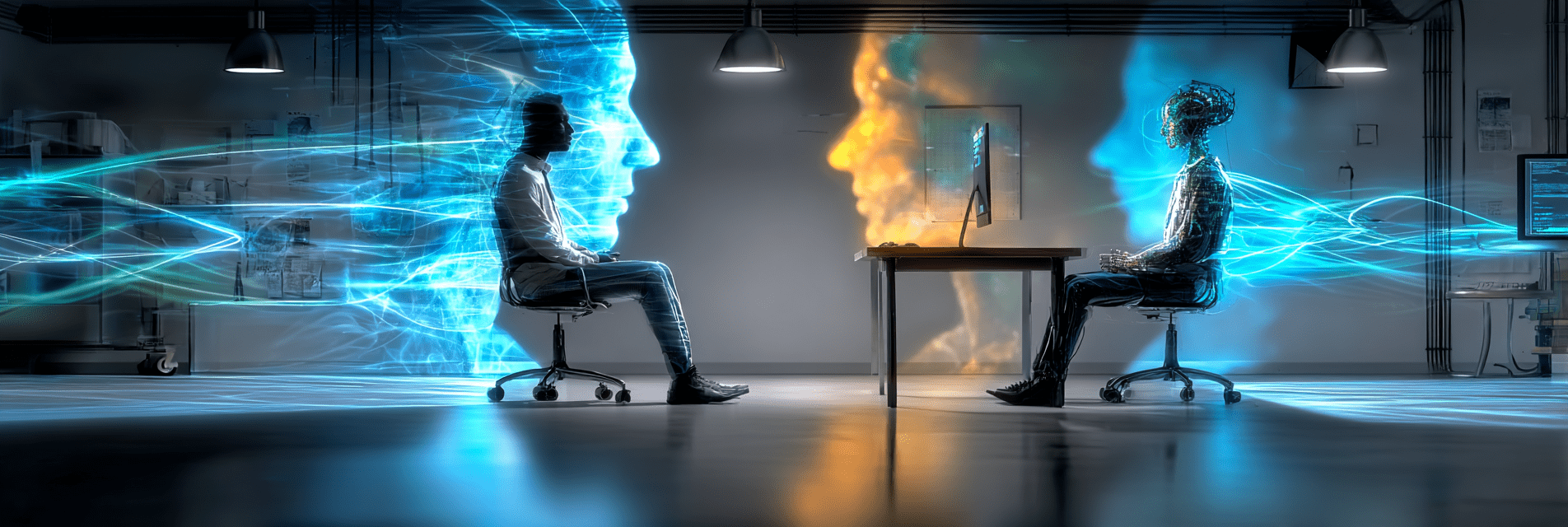


AI didn’t make our work shallow. It just exposed how often thinking had already been replaced by speed, repetition, and the illusion of productivity. When judgment disappears from the process, the output can look impressive and still mean nothing at all.