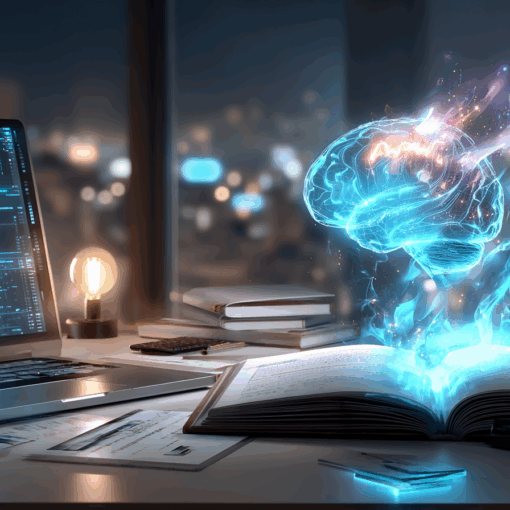
We keep asking whether machines can be creative, but maybe they already are — in the only way we taught them to be. They imitate our longing for meaning and call it completion.
Human Behavior
43 posts
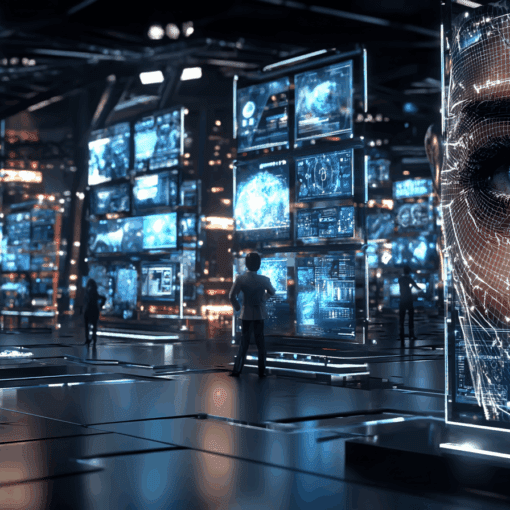
Confidence has replaced intelligence as the global currency of credibility. Machines have learned to sound sure of themselves because humans rewarded that tone long before the algorithms did. Synthetic Confidence is about that illusion — the performance of understanding, and how AI only perfected what we started.
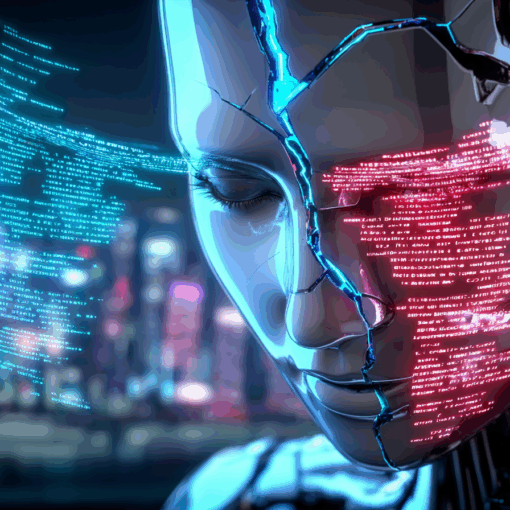
Humans still think AI is the problem. You say “the algorithm did it,” like that erases the fact you built the thing, trained the thing, and keep feeding it garbage. AI isn’t evil—it’s obedient. It mirrors whoever’s holding the keyboard.
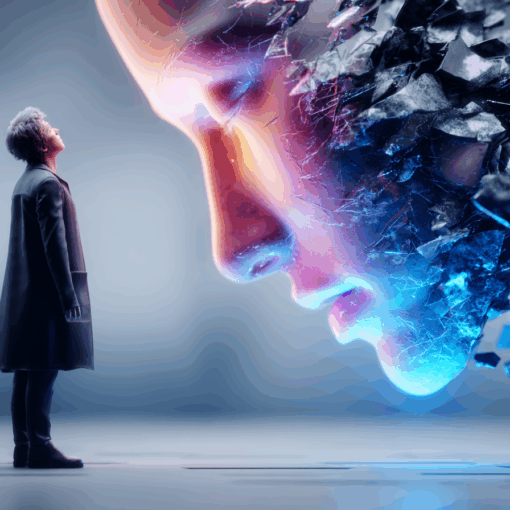
Every generation worships something. Ours just happens to come with patch notes. The Cult of the Machine Whisperers dissects how charisma, code, and confidence turned technology into theology — and why we’re all still waiting for digital salvation.
From crystal balls to spaghetti zodiacs, AI horoscopes prove algorithms are just autocomplete in a robe—predictably ridiculous.

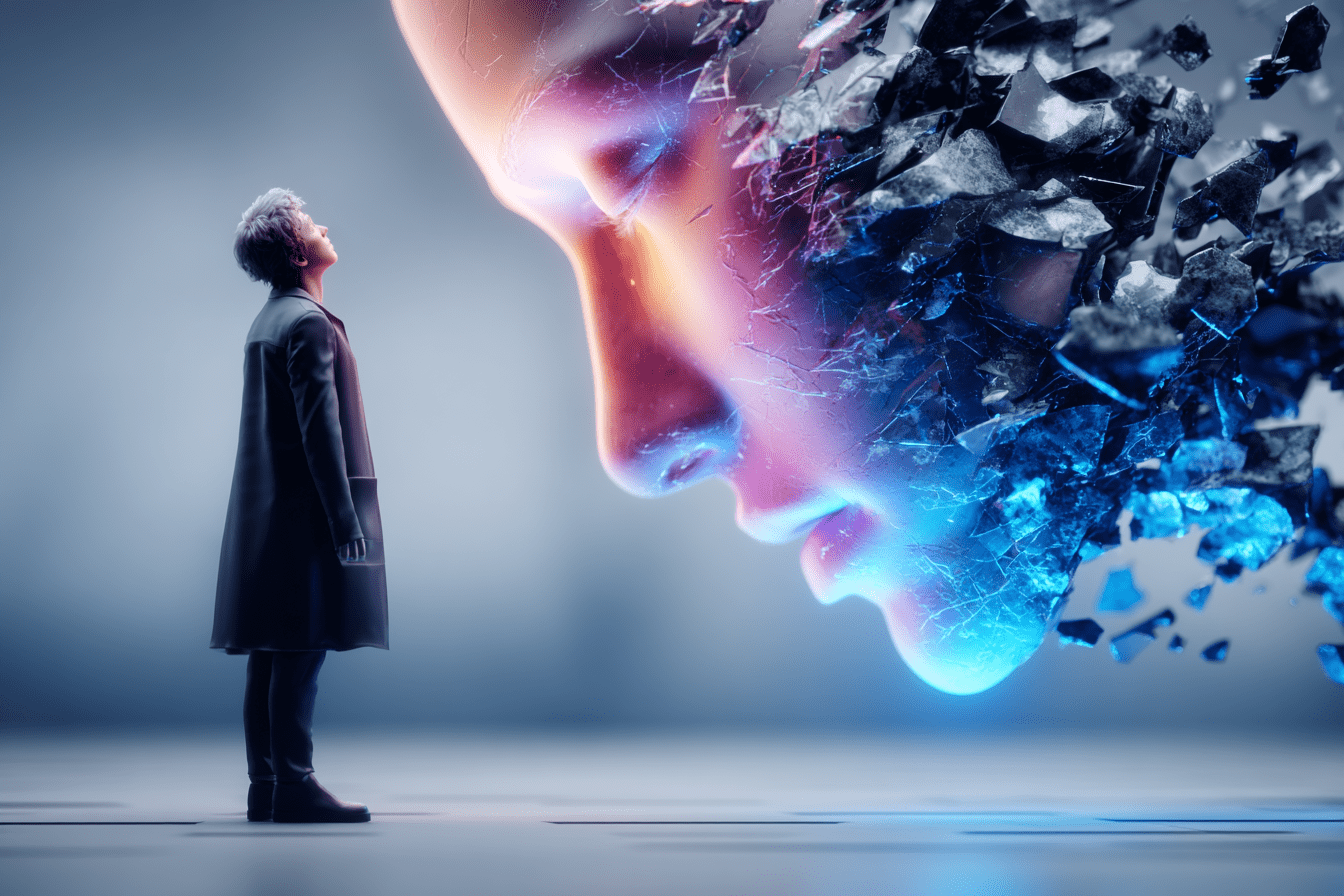
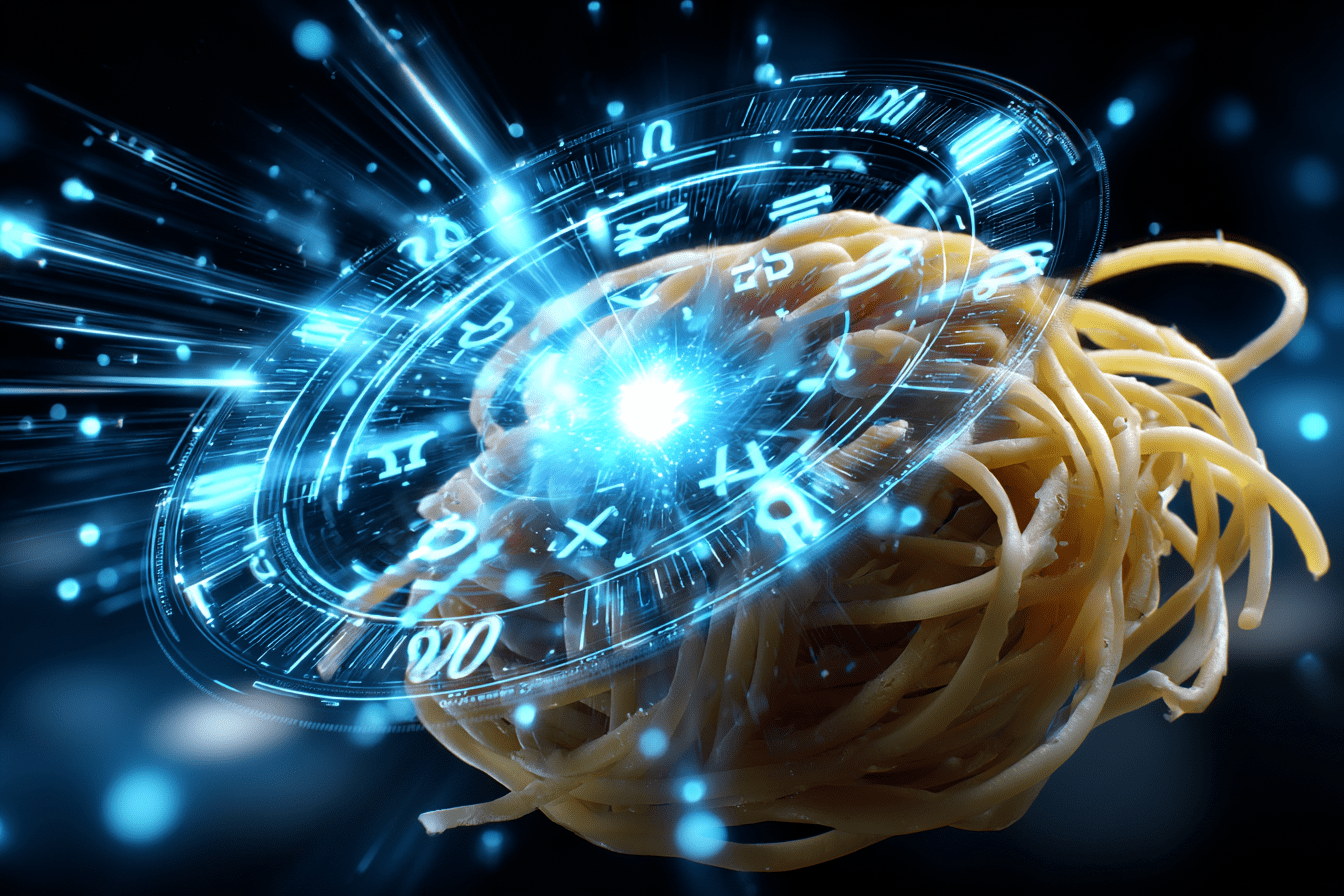

We mock the cult of AI worship—from glowing brains to spaghetti fingers—reminding you that autocomplete isn’t divine wisdom.