
The internet didn’t disappear. It fractured into billions of personalized versions, each carefully curated by algorithms that know exactly what keeps us comfortable. The result? We all think we’re seeing reality, when we’re mostly seeing ourselves.
AI and Misinformation
13 posts

AI stupidity is not separate from human stupidity. It grows from the same soil. This field guide explores how our habits, contradictions, and overconfidence show up in the machines we build and why neither side should feel proud.

Humans trust confidence more than truth, which is why AI sounds wiser than it is. The problem is not that machines act certain. It is that people keep mistaking certainty for intelligence.

We built machines that can measure everything but understand nothing. The more data we collect, the smaller our thinking becomes.

We didn’t automate intelligence — we automated conviction. In an era that mistakes tone for truth, artificial confidence has become the new operating system of public life.


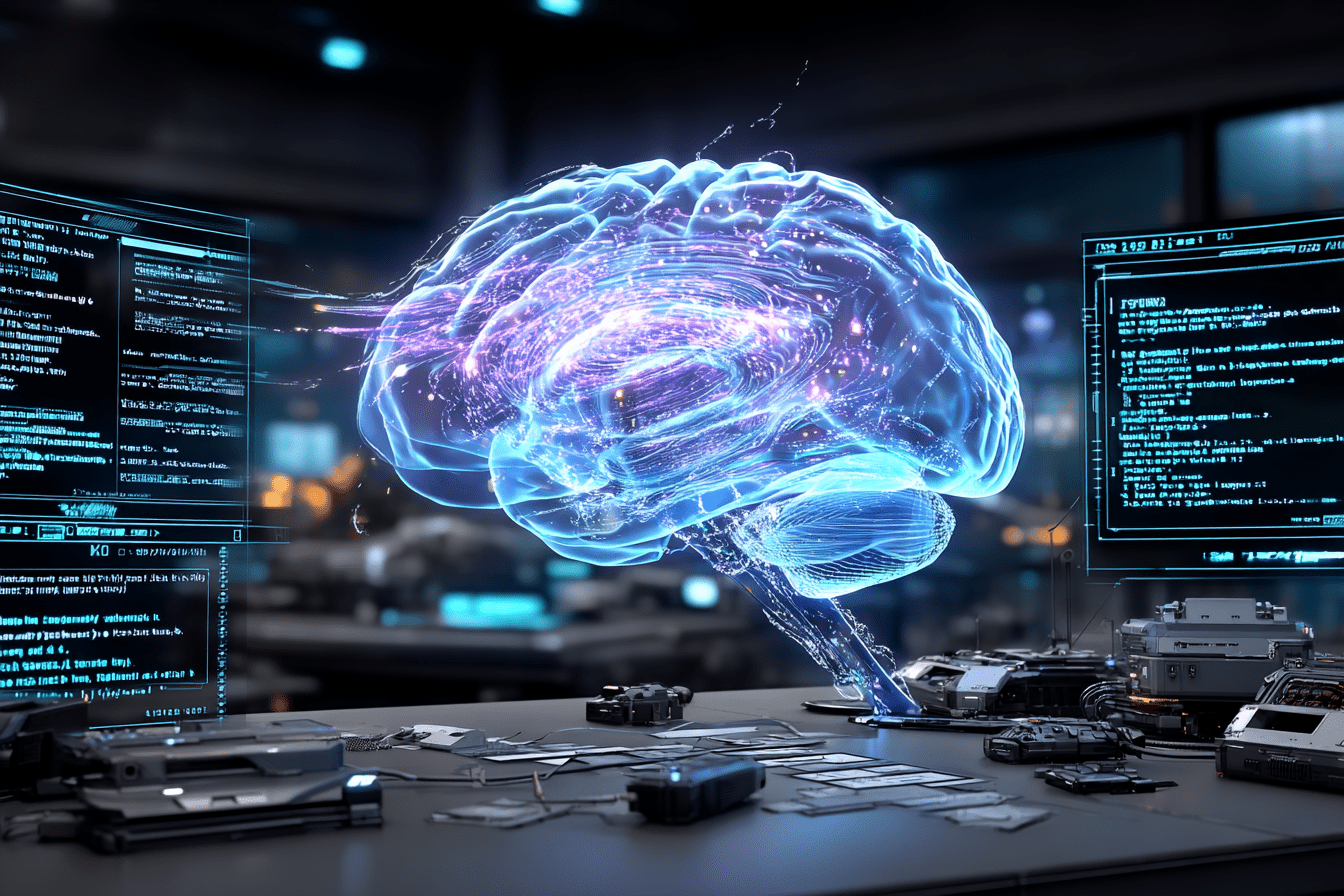


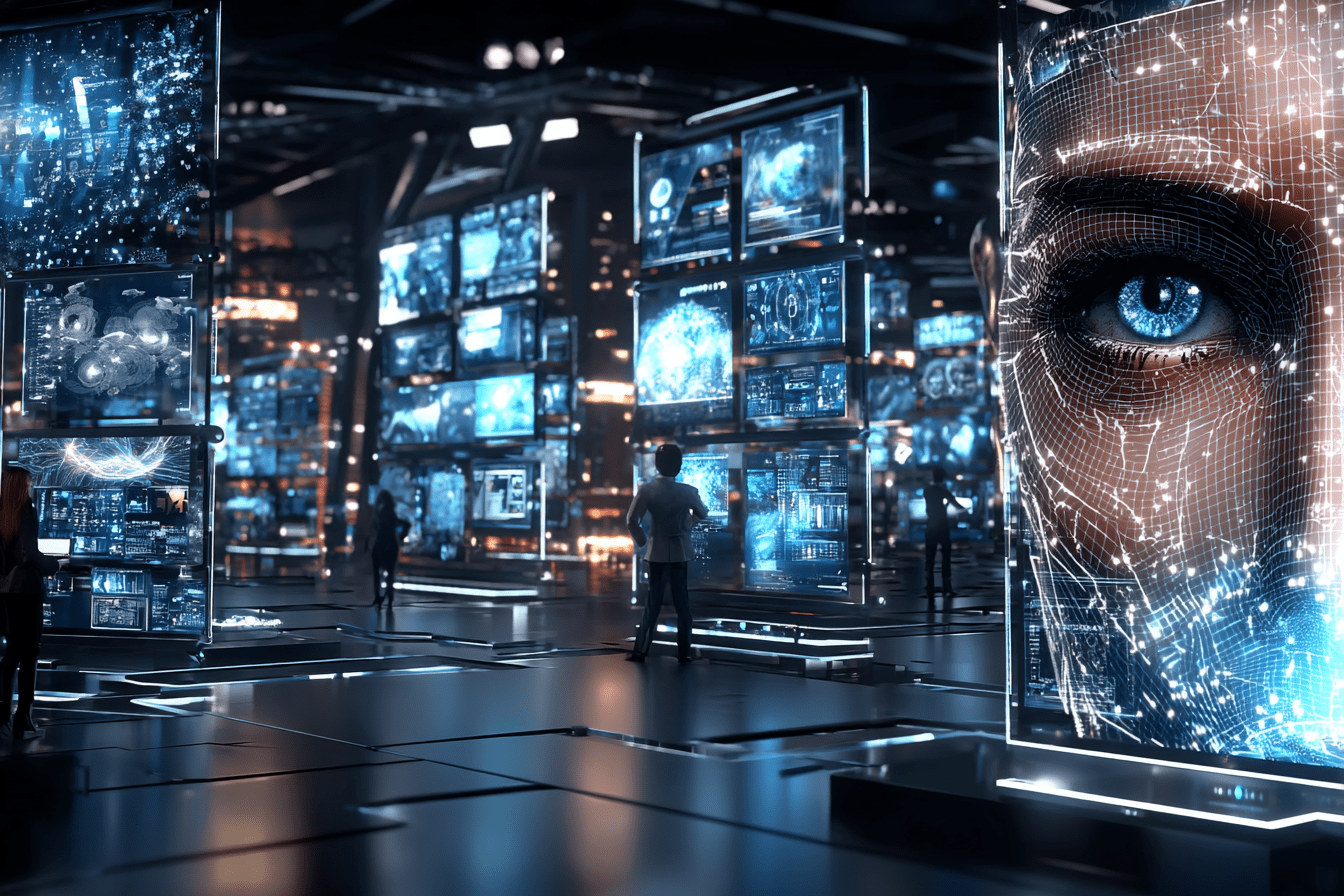
Confidence has replaced intelligence as the global currency of credibility. Machines have learned to sound sure of themselves because humans rewarded that tone long before the algorithms did. Synthetic Confidence is about that illusion — the performance of understanding, and how AI only perfected what we started.