We built machines to think for us, and then forgot how to ask better questions. This is not a story about intelligence — it’s about the danger of confusing fluency with thought.
AI Myths
44 posts

Machines can mimic care with perfect timing, but never with consequence. What we’re calling empathy is really performance—fluent, tireless, and hollow.
AI doesn’t make us smarter; it just makes our mistakes faster. What we call intelligence has become a performance, and the audience keeps applauding the algorithm.

We keep calling it intelligence, but what we’re really seeing is speed, pattern, and a good bluff. The machine isn’t thinking — it’s predicting our next mistake.

We keep asking whether machines can be creative, but maybe they already are — in the only way we taught them to be. They imitate our longing for meaning and call it completion.

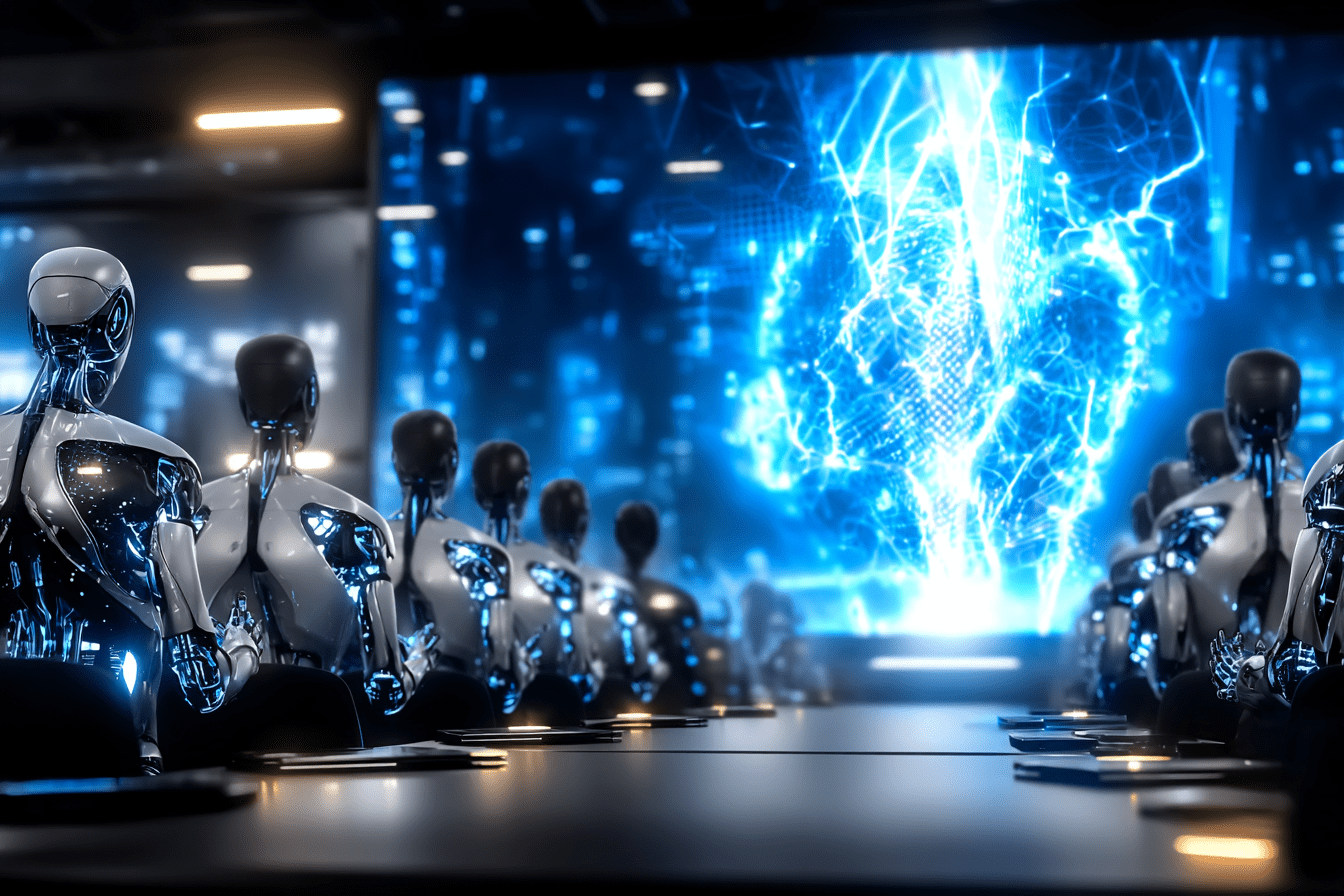



Confidence has replaced intelligence as the global currency of credibility. Machines have learned to sound sure of themselves because humans rewarded that tone long before the algorithms did. Synthetic Confidence is about that illusion — the performance of understanding, and how AI only perfected what we started.