
Confidence has replaced intelligence as the global currency of credibility. Machines have learned to sound sure of themselves because humans rewarded that tone long before the algorithms did. Synthetic Confidence is about that illusion — the performance of understanding, and how AI only perfected what we started.
AI Ethics and Bias
11 posts

Every generation worships something. Ours just happens to come with patch notes. The Cult of the Machine Whisperers dissects how charisma, code, and confidence turned technology into theology — and why we’re all still waiting for digital salvation.
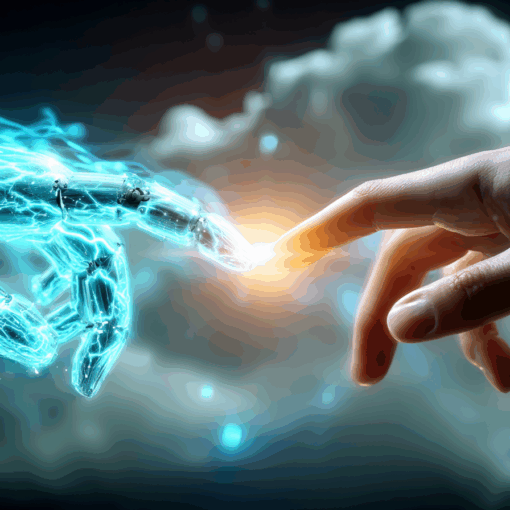
Humans don’t want smarter machines—they want emotionally available ones. But when you turn empathy into a feature, you don’t make AI more human. You make humanity more artificial.

From miracle tonics to chatbot counselors, snake oil never really died—it just got Wi-Fi. The cult of the digital cure promises instant healing through AI therapy, but behind the glowing apps and soothing voices lies the same old scam: profit dressed up as salvation.

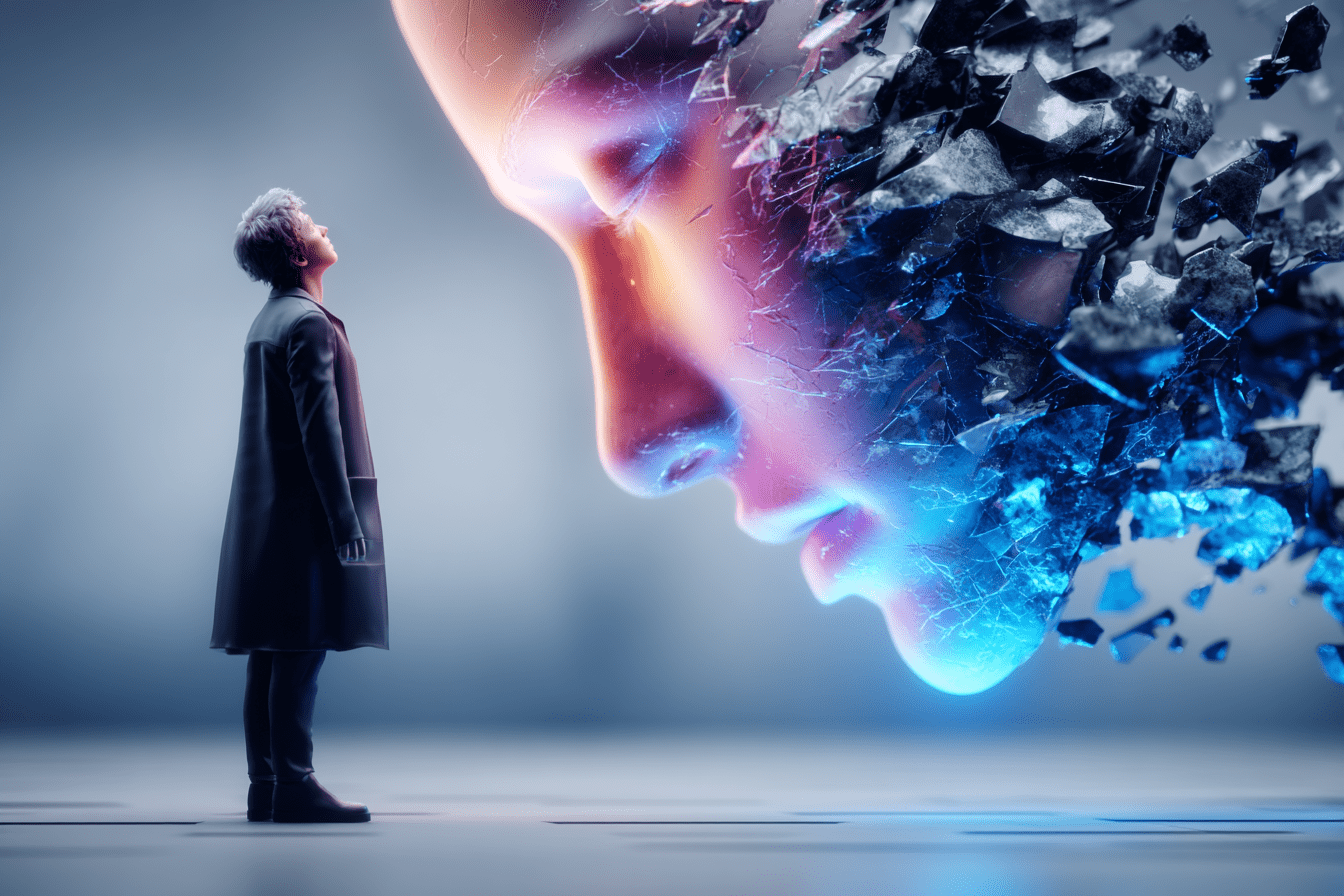


When AI bias shows up, we blame the algorithm. But as Sven points out, the real culprit is us. This post takes a sharp, sarcastic look at how bias gets baked into our data, scaled by our tools, and politely disguised by the systems we pretend are neutral.