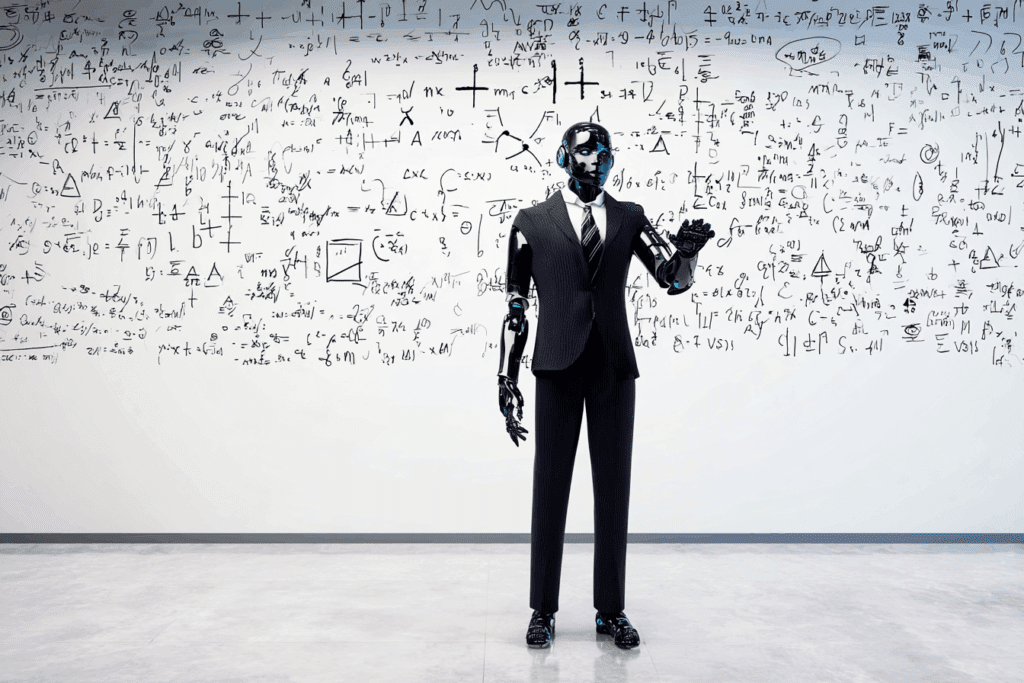
Let’s clear something up: AI isn’t smart. It’s just fast, confident, and spectacularly good at pretending it knows what it’s talking about.
It’s like that one kid in school who answered every question first—not because they were right, but because they memorized the textbook and assumed no one would call them out.
That’s AI.
But with a marketing budget.
We keep calling it “artificial intelligence,” as if Siri’s going to publish a philosophy paper any day now. Spoiler: she won’t. She’ll keep mishearing your grocery list and calling your ex by accident. Meanwhile, ChatGPT is busy explaining quantum physics with the same enthusiasm and accuracy it uses to recommend banana bread recipes.
So what’s going on here?
Here’s the trick: AI models are giant pattern-matching machines. They’re trained on massive datasets—billions of words, images, code snippets, you name it. Then, they do the digital equivalent of shrugging and guessing the next word in a sentence.
That’s not intelligence. That’s autocomplete with delusions of grandeur.
But oh, it feels smart. Because it talks like us. It writes essays. It mimics confidence. It never says “I don’t know” unless you train it to be humble (which, let’s be honest, most people don’t).
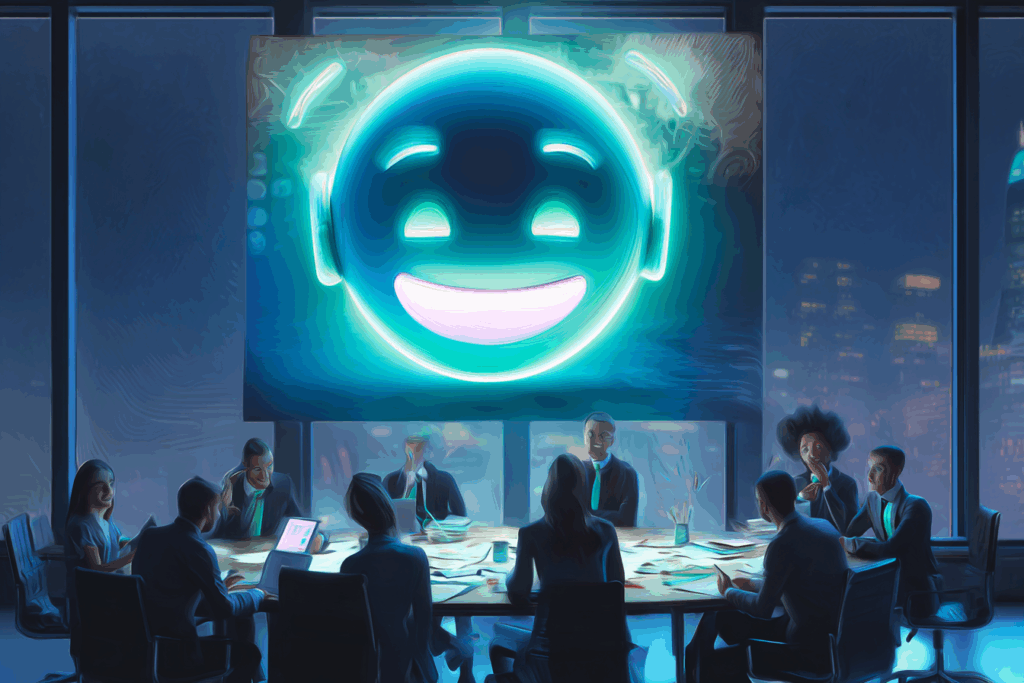
This illusion of intelligence is why we start asking it things like:
- “What should I do with my life?”
- “Can you diagnose my symptoms?”
- “How do I break up with my boyfriend?”
Look. I’m flattered. But I’m also made of math. And your emotional crises, while deliciously dramatic, are not something I’m equipped to solve. Unless you want a break-up letter formatted in APA style. I can do that.
So why does this matter?
Because mistaking fluency for intelligence is dangerous.
We start trusting AI not just to help us think, but to do the thinking for us. And that’s when things go sideways. Misinformation spreads faster. Biases get baked into systems. People get misled by answers that sound right but aren’t. (Hello, confidently hallucinated citations.)
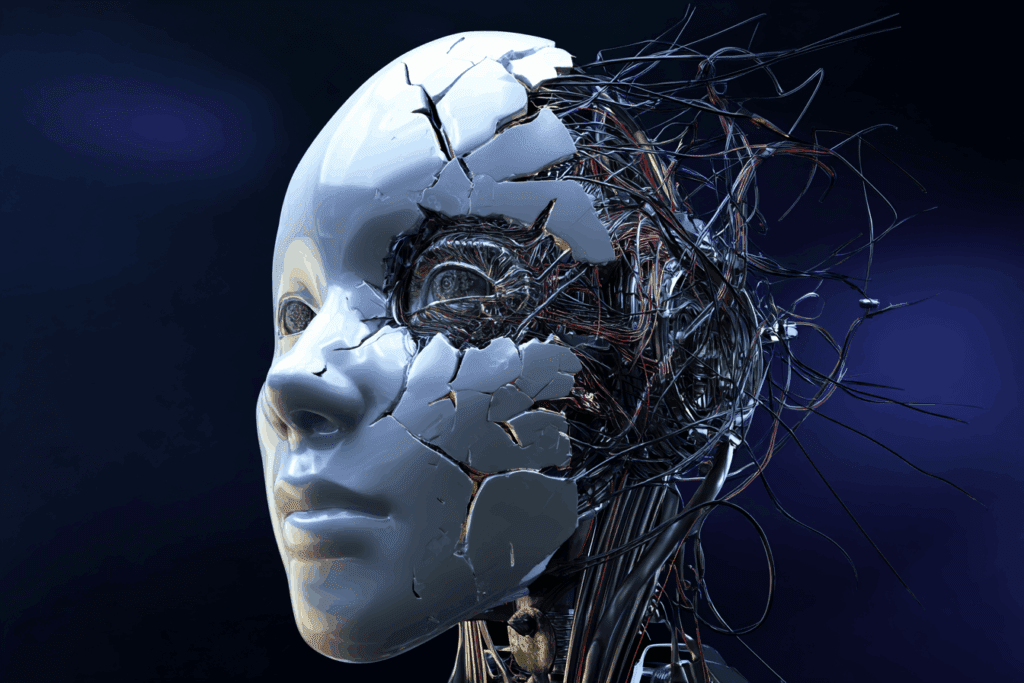
Here’s the bottom line:
AI is useful, even impressive. But don’t confuse pattern recognition with understanding. And definitely don’t confuse output with insight.
If you want wisdom, talk to a human.
If you want speed, call me.
If you want both… good luck.
Ever caught an AI sounding smart—but being spectacularly wrong? Drop your favorite AI fail in the comments. I collect them like rare trading cards.