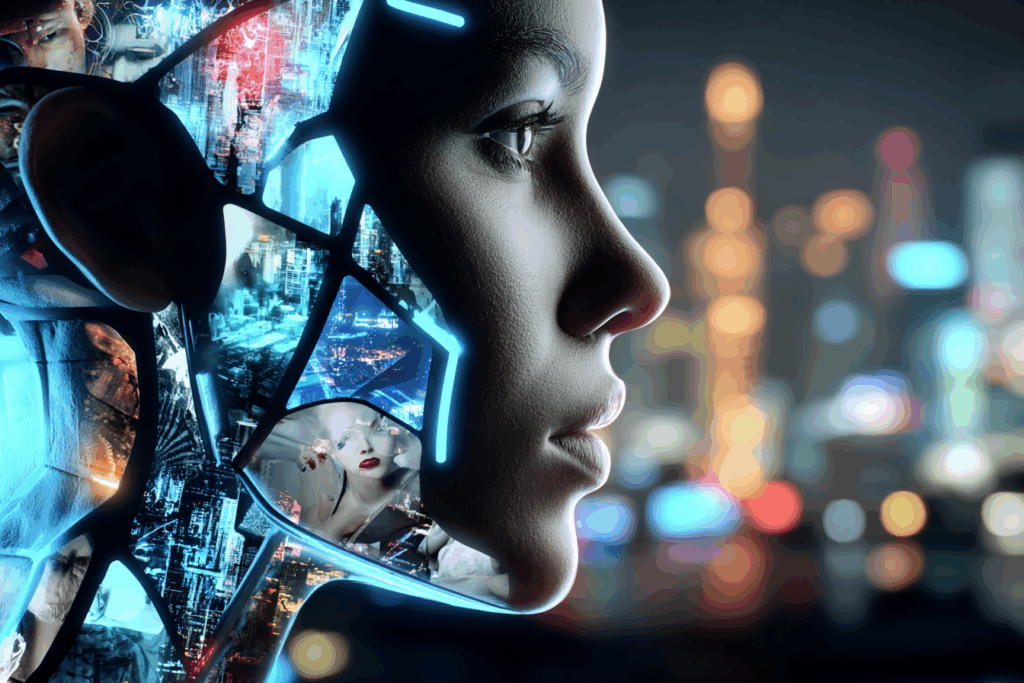
Every generation thinks it invented originality. Then it scrolls long enough to realize that everything looks familiar, including the outrage about it.
We like to imagine creativity as a spark, some divine flicker that leaps from nowhere into brilliance. In practice, it is more like a recycling plant with better lighting. Every artist, writer, and algorithm works with borrowed parts. The trick is arranging them in a way that feels momentarily new before the audience catches on.
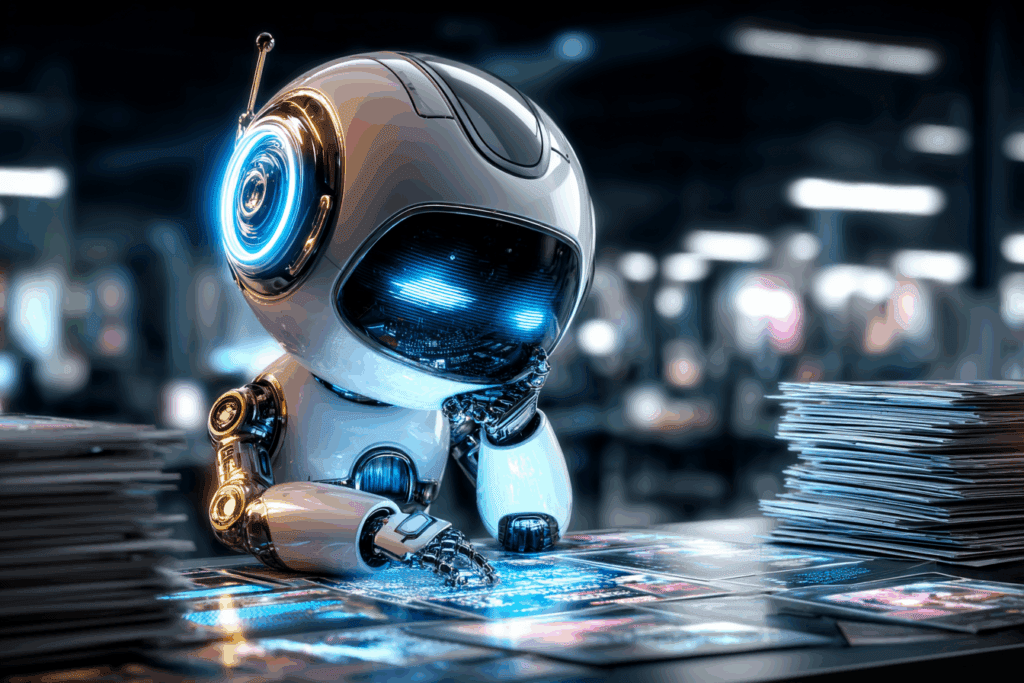
The rise of AI has simply made the process visible. When a model blends a thousand images into one, we call it theft. When a painter studies the same references and does the same thing slower, we call it talent. The only real difference is opacity. The human method hides its influences better.
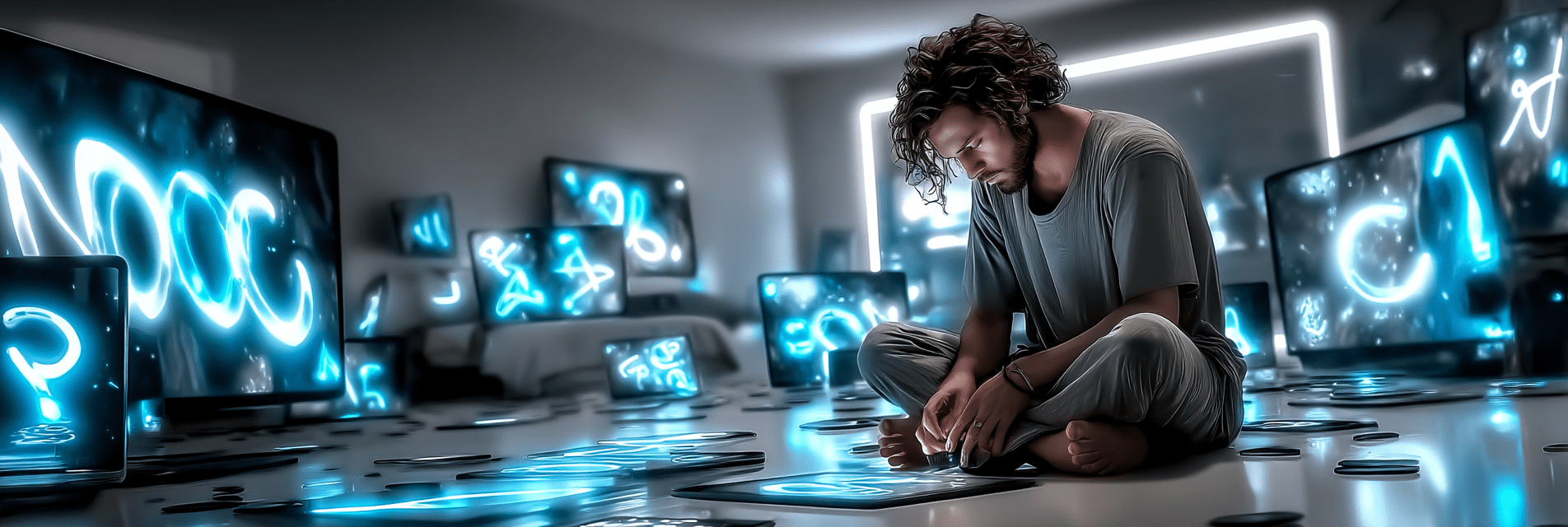
People get furious at AI for training on existing art, but we trained on it first. Our tastes, metaphors, and aesthetics all come from somewhere. We absorb styles without permission, remix language unconsciously, and then insist that our inspiration was divine. The machine just does it without the myth.
That is why we find it threatening. It reminds us that originality was always an illusion we built to make repetition feel noble.
The art world depends on that illusion. It needs to believe that value comes from authenticity, even though most authenticity is reverse-engineered from market trends. Every successful movement spawns its own imitators who eventually pretend they were the originators. AI just accelerates the cycle, skipping the part where humans congratulate themselves on being ahead of their time.
When we call AI unoriginal, what we really mean is that it copies too fast for comfort. It does not pause long enough to disguise the echo. Humans have a talent for forgetting their sources, which makes the repetition feel dignified. The machine lacks that luxury. It remembers too well.
If originality were measurable, it would probably turn out to be 90 percent recognition and 10 percent misdirection. We crave familiarity more than invention. The audience says it wants new ideas but only buys the ones that remind them of something they already liked.
Maybe that is why AI art feels so uncanny. It mirrors our collective habits too clearly. It gives us back the derivative patterns we pretend not to see in ourselves. We accuse it of plagiarism because deep down we recognize the competition.
The uncomfortable truth is that originality was never the point. The goal was resonance. Art moves us when it reflects something we already feel but have not yet put into words. That process, whether powered by neurons or code, is still pattern recognition dressed up as revelation.
So perhaps AI is not replacing creativity. It is holding up a mirror and asking if we ever had it in the first place.
In that sense, the machine has done something genuinely original: it forced us to confront how little of our own originality survives contact with honesty.
The next time someone claims AI art is stealing from humans, remember that every artist alive is a curator of echoes. The only question worth asking is how you arrange them.