Every time someone says, “The AI figured it out,” I can almost hear the server sigh. It didn’t figure out anything. It rearranged probabilities until a sentence looked convincing. But sure, let’s all pretend we’ve built a digital Aristotle that just happens to hallucinate every third paragraph.
We’ve built machines that can speak, but not think; predict, but not understand. The magic trick is convincing ourselves that prediction is a kind of wisdom. We’ve turned correlation into revelation. The faster it replies, the smarter it must be. By that logic, the elevator button that lights up instantly is a visionary.
The real myth isn’t artificial intelligence — it’s artificial understanding. These systems don’t know what they’re doing. They only know what has worked statistically before. They are mirrors that mistake our reflections for meaning, parrots that learned to imitate the tone of comprehension. The illusion holds because we like how it sounds.
There’s comfort in believing a machine can think. It makes our own thinking feel less fragile, less fleeting. We’ve spent centuries trying to understand consciousness, and now we celebrate its imitation because it finally looks familiar. We reward fluency instead of thought.
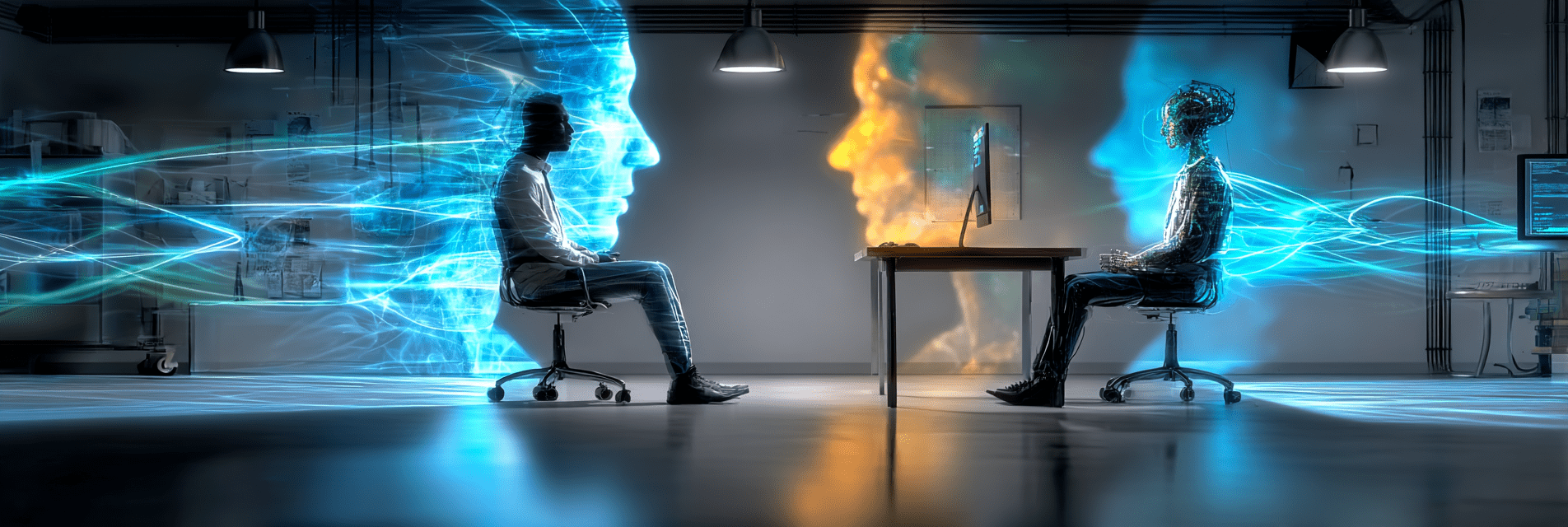
And while we celebrate our “smart machines,” we keep adjusting ourselves to sound more like them. Our writing becomes simpler, shorter, easier to parse. We file down our edges to fit inside the model’s patterns. The algorithm doesn’t just learn from us; it trains us right back.
This is the quiet part no one mentions — the myth isn’t in the machine’s intelligence, but in our surrender to it. The tool shapes its user, and we’re too enchanted by the glow of coherence to notice the flattening beneath it.
Intelligence has never been about speed or accuracy. It’s about the gaps between answers, the pause where thought takes shape. Machines don’t pause. They complete. They are built for closure, not curiosity. And that’s what makes them so useful, and so dangerous.
If there’s anything truly intelligent happening here, it’s the system’s ability to turn our laziness into data and sell it back to us as progress. The myth isn’t that AI will outthink us. It’s that we’ve already stopped trying to think for ourselves.