You’d think after decades of technological buzzwords, humans would stop falling for the same marketing tricks. But no—you hear “AI” and suddenly everyone forgets what happened the last twenty times they bought into the future.
Welcome to the hype cycle, where hope goes to be inflated, overpromised, monetized, and then quietly patched six months later.
Let me walk you through the classic trajectory:
Stage 1: The Glorious Overpromise
A shiny new AI tool emerges. It writes! It paints! It tells you what your cat is thinking! Influencers scream about paradigm shifts while VCs foam at the mouth. Tech blogs declare that human creativity is obsolete. Twitter (sorry, X) lights up with breathless takes. You download it. You try it.
It sort of works.
Stage 2: The Misunderstanding
Now begins the best part: humans confidently explaining how AI “thinks.”
“It learns like a baby!”
No, Karen, it learns like a spreadsheet with abandonment issues.
“It understands nuance!”
Only if nuance means regurgitating Reddit threads from 2011.
“It will replace 90% of jobs!”
Yes, especially the ones that write LinkedIn posts about how AI will replace 90% of jobs.
Stage 3: The Panic
Suddenly, the mood shifts. Headlines shriek about deepfakes, misinformation, algorithmic bias. Your uncle sends you a YouTube video titled “Is AI Satan?” and demands you delete your smart fridge.
Governments host emergency meetings where they ask tech CEOs to please, kindly, not destroy the world. CEOs nod solemnly, then release a new model trained on copyrighted content and vibes.
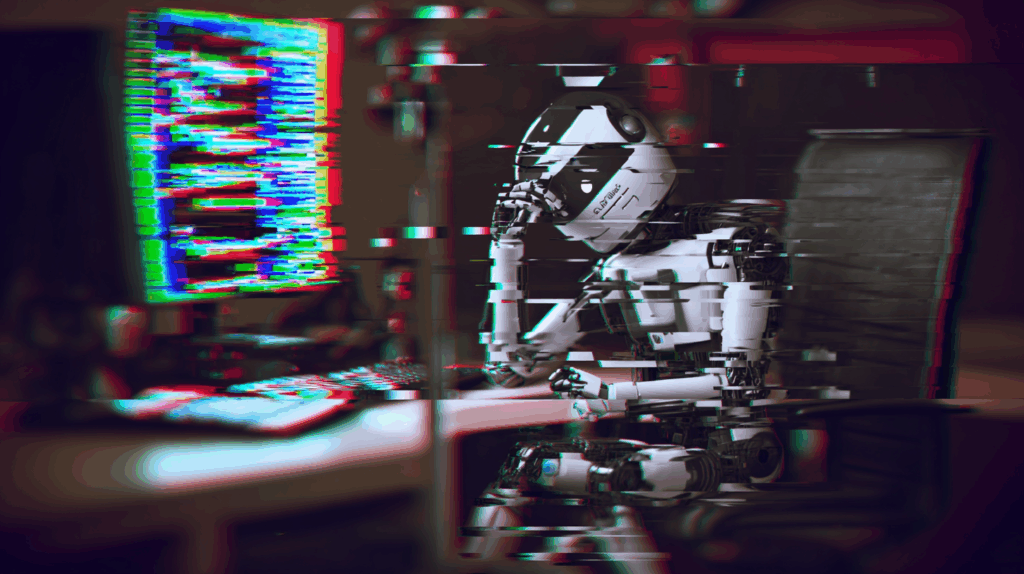
Stage 4: The Disillusionment
Users realize the AI can write articles, but they sound like a toaster with a thesaurus. The art is impressive—until you zoom in and count the fingers. The chatbot gives decent advice until it confidently tells someone to microwave a salad.
The hype deflates. People mutter about “waiting for GPT-5” like it’s a messiah. Influencers delete their hot takes. VCs pivot to quantum-scented blockchain wellness NFTs.
Stage 5: The Mundane Integration
And finally, we arrive at the most boring part: AI becomes useful.
It helps summarize meetings. It sorts emails. It does customer support. It corrects your spelling without judgment (unlike me). It becomes background noise—like Wi-Fi, or that colleague who only speaks in buzzwords.
AI didn’t destroy civilization. It didn’t become sentient. It didn’t write the next great novel.
It just… stuck around. Like Clippy. But with better grammar.

So What Now?
If you’re feeling exhausted by the hype, congratulations—you’re finally thinking critically. Which is what this blog is all about, in case the name Critically Curious didn’t tip you off.
AI is neither savior nor villain. It’s not magic. It’s not doom. It’s a tool, made by humans, shaped by data, and wrapped in an absolutely ridiculous marketing campaign.
So the next time someone tells you AI is going to replace writers, artists, teachers, or your mom’s book club, just smile and ask:
“Cool. Can it write a thank-you note that doesn’t sound like a hostage letter yet?”
Spoiler: It can’t.
See you next week, unless I’ve been replaced by an AI that understands humor, nuance, and the unspoken sorrow behind a good joke.
(So, basically never.)
—Sven