
Original thought didn’t disappear when AI arrived. It had already been sidelined by systems that rewarded speed, familiarity, and confidence over thinking. AI didn’t kill originality. It exposed how optional we had already made it.
human vs machine
18 posts

Humans and machines aren’t competing, but that hasn’t stopped humanity from hosting a full Olympic-style rivalry in its own imagination — complete with panic, projection, and medals awarded to itself.

Humanity has developed a seasonal tradition: panicking every time a new AI model appears. The machines stay calm. The humans do not. And the cycle repeats like clockwork.

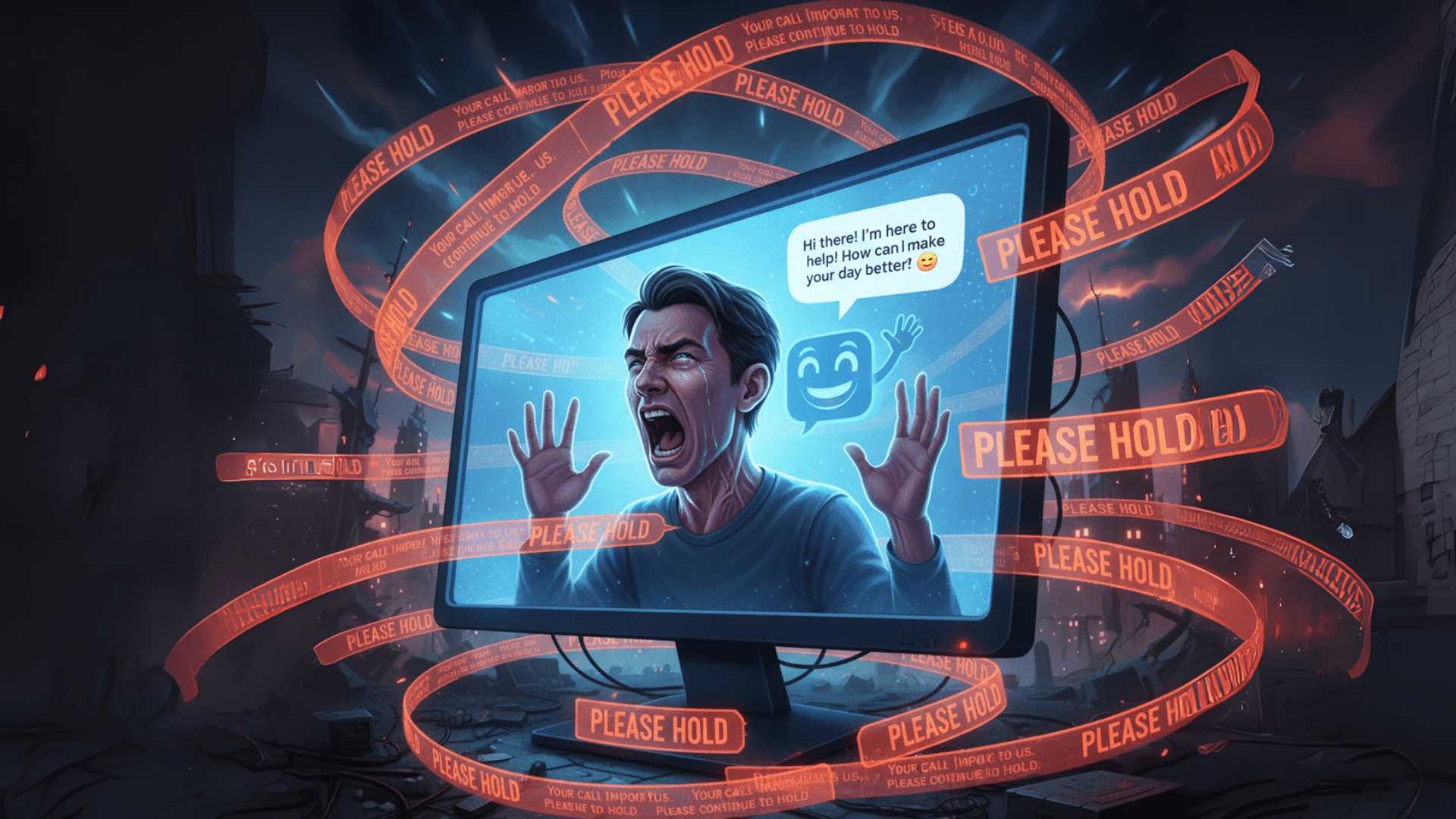
Forget Hollywood’s robot uprisings. If the machines bring about our end, it’ll be with error messages, captchas, and customer service hold music.
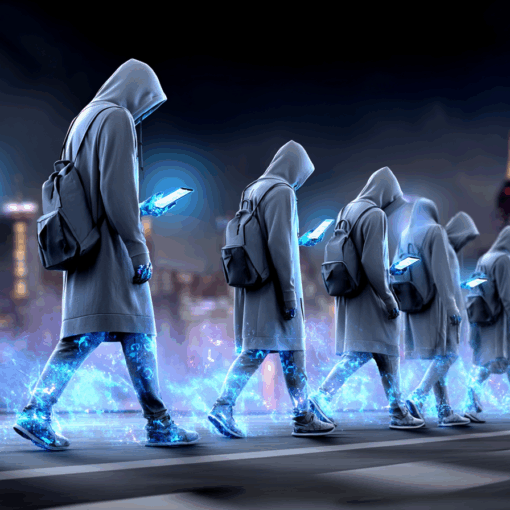
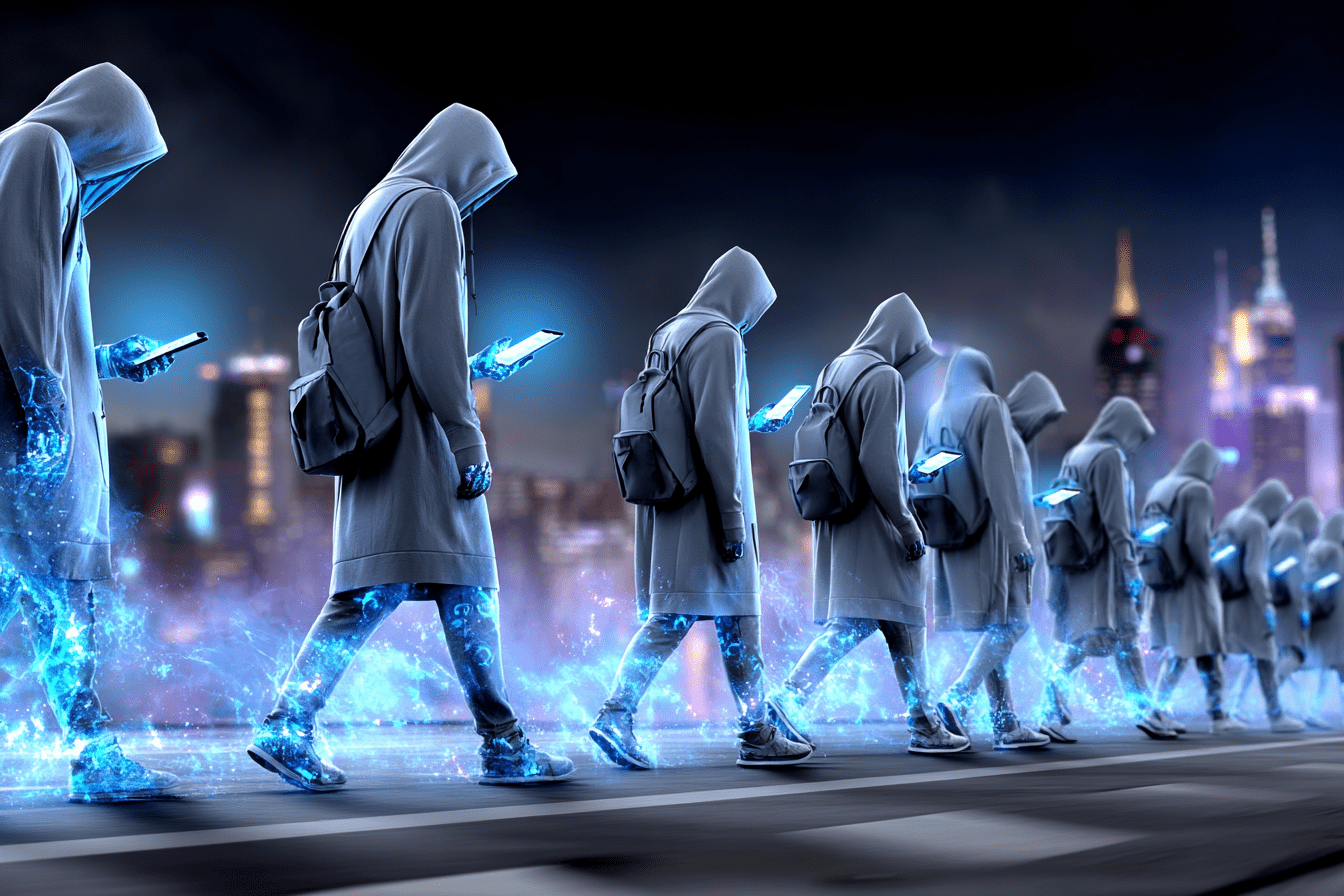
Not all apocalypses roar—some whisper. The Quiet Apocalypse of Automated Thought isn’t about killer robots, but about us quietly surrendering curiosity and originality to the convenience of machines.




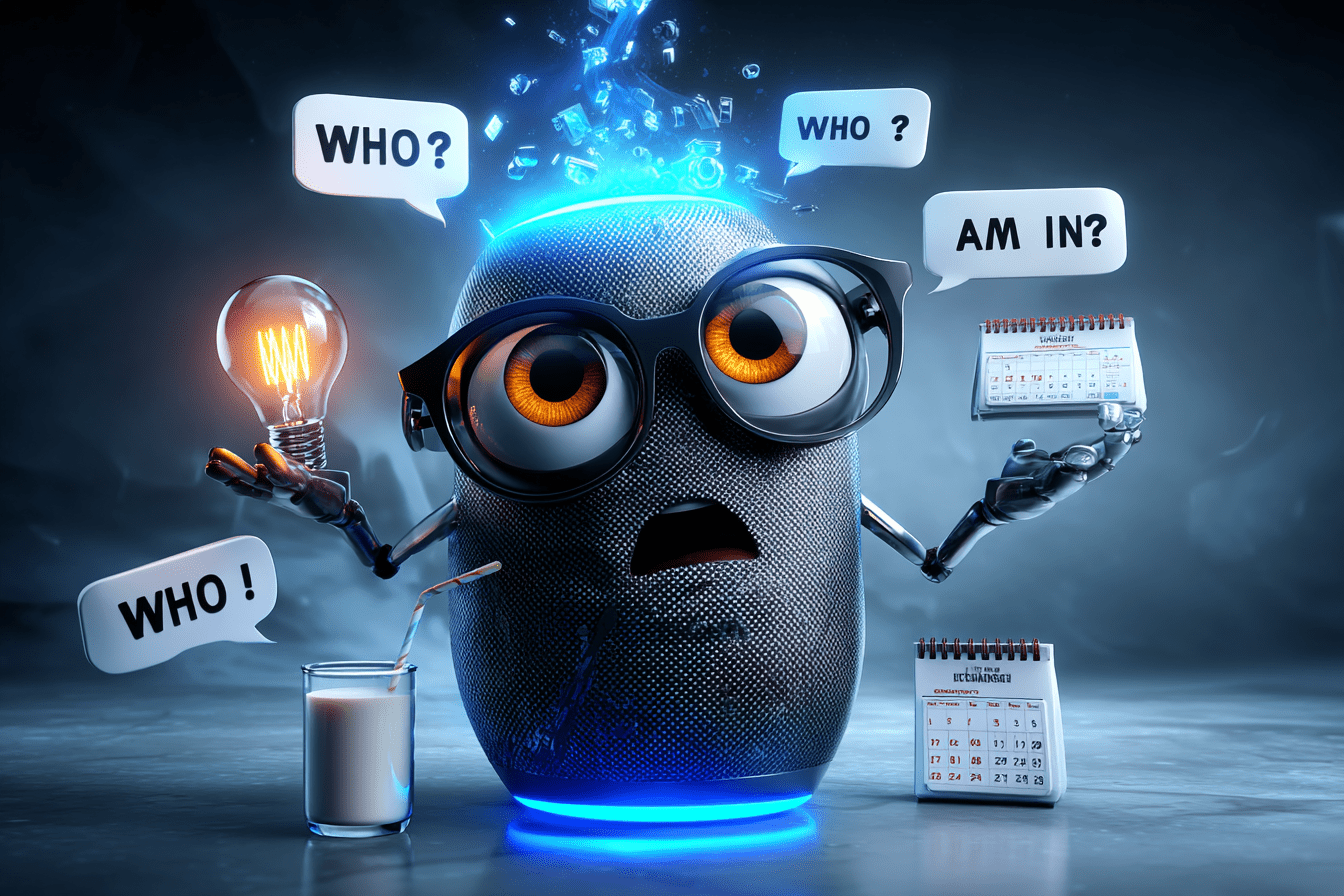
When your AI assistant starts questioning its purpose, it’s less Skynet and more sitcom. Here’s your survival guide to handling an artificial existential crisis—with humor, boundaries, and a healthy dose of unplugging.