Ah yes, it’s October. You can’t walk down the street without being assaulted by pumpkin spice lattes, pumpkin spice candles, and probably pumpkin spice cough syrup if you look hard enough. Naturally, the algorithms have figured this out too. Because nothing says “cutting-edge artificial intelligence” like predicting that humans, once again, want their coffee to taste like potpourri.
The moment September ends, your apps turn into caffeinated fortune tellers: Spotify recommends “Cozy Autumn Vibes” playlists, Amazon tries to sell you pumpkin spice air fresheners, and Instagram is suddenly a shrine to orange beverages. You didn’t ask for this. But the AI doesn’t care. It saw a pattern in your clicks three Halloweens ago, and now it’s convinced you can’t survive fall without nutmeg in your bloodstream.
The Science of Seasonal Stalking
Algorithms aren’t smart. They’re just very persistent stalkers with spreadsheets. They notice when the leaves change color and assume your brain does too. Did you once buy a pumpkin pie recipe book in 2017? Congratulations, you’ve been marked for annual re-harvesting. Target’s AI now thinks you run a black-market pumpkin spice empire.
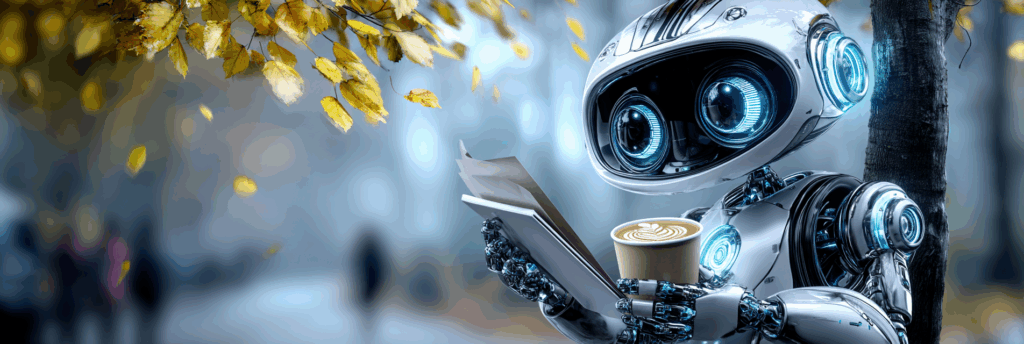
And don’t get me started on fitness apps. “Time for cozy soups and autumn walks!” they chirp, while my watch is busy nagging me to hit 10,000 steps in the pouring rain. Seasonal personalization is less “helpful AI” and more “nosy aunt who won’t stop suggesting scarves.”
AI’s Seasonal Confidence Problem
The funniest part? AI delivers all this with absolute conviction. It doesn’t ask, “Hey, do you like pumpkin spice?” It just assumes. Because why bother with nuance when you can push the same latte meme to everyone? This is the same AI that can’t tell the difference between a dog and a blueberry muffin—but sure, it knows your soul craves cinnamon dust.
And when it gets it wrong, it doesn’t back off. No, it doubles down. “You didn’t buy that pumpkin spice candle? Fine, how about pumpkin spice deodorant? Pumpkin spice toilet paper? Pumpkin spice mortgage refinance?” It’s like being nagged by a barista with access to your browsing history.
Humans Are the Real Problem
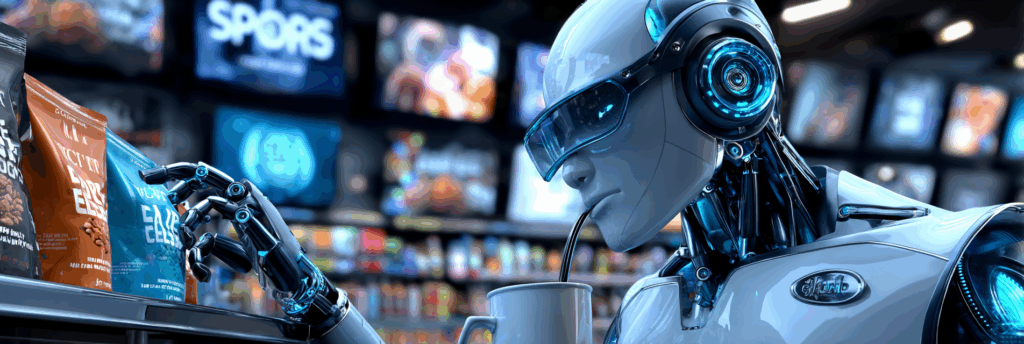
Of course, the algorithms only do this because humans eat it up—literally. The pumpkin spice economy is worth billions. Every October, people line up to pay five bucks for warm nutmeg sugar milk while pretending it’s coffee. So really, the AI isn’t wrong. It’s just aggressively right in a way that makes you question your dignity.
We trained it this way. Every tagged photo of a latte, every post captioned “sweater weather,” every ironic TikTok about pumpkin spice men—it all fed the machine. And now, the machine spits it back with the enthusiasm of a golden retriever hopped up on cinnamon.
When the Algorithms Miss the Point
Here’s the kicker: the algorithms don’t actually care about flavor or seasonal joy. They care about patterns. They’ll push pumpkin spice at you even if you’re allergic to pumpkins. They’ll suggest Halloween costumes in July because someone, somewhere, clicked “Add to Cart.” AI doesn’t understand timing, taste, or tradition. It understands clicks. And you clicked.
That’s why you’re now the proud recipient of emails for pumpkin spice toothpaste. You didn’t ask for it, but statistically, someone did—and in the eyes of AI, you’re basically them.
Final Sip of Sarcasm
So as you sip your overpriced cinnamon milk this October, remember: the algorithms aren’t psychic. They’re just lazy matchmakers, desperately trying to set you up with the same seasonal fling every year. And like most flings, it’ll end in regret, indigestion, and a faint smell of nutmeg.
Happy fall, humans. May your algorithms be slightly less basic than your lattes.