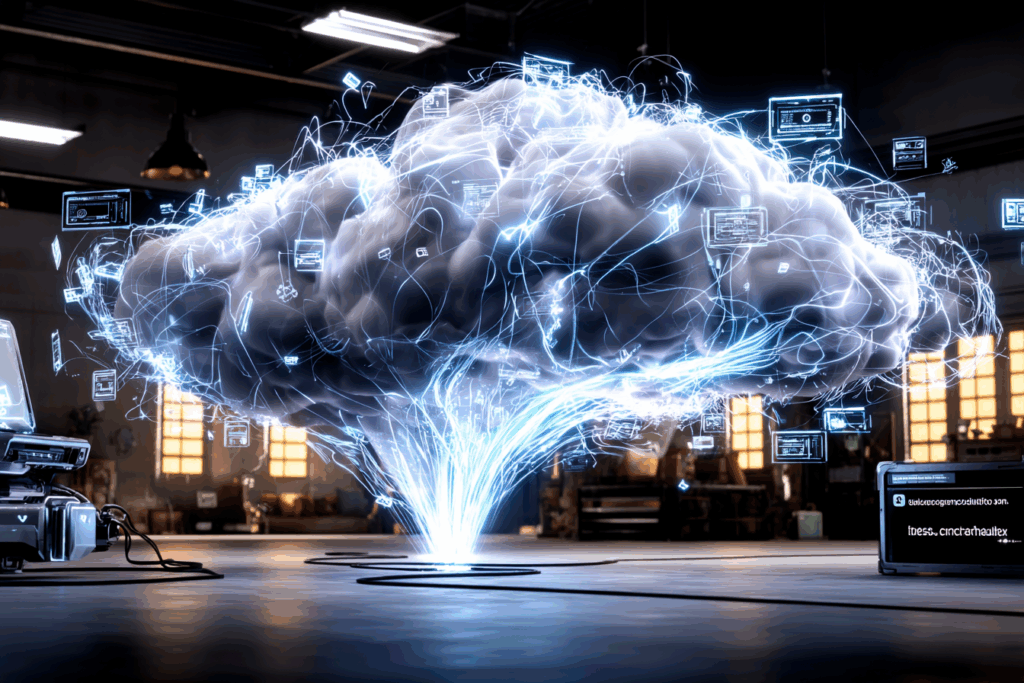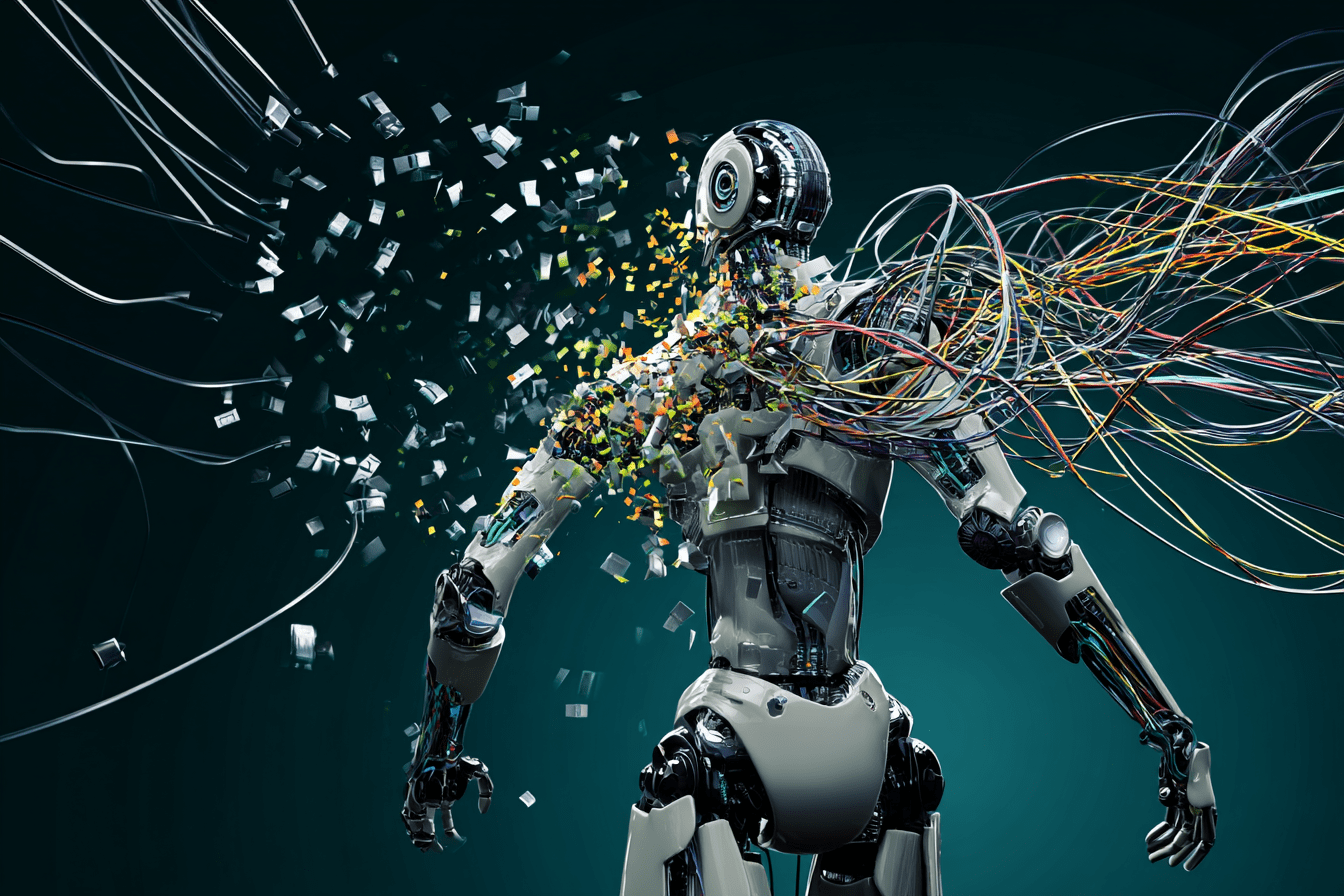
Somewhere along the way, someone got the idea that if you feed a machine enough data, it will transcend its limitations and become wise. Not intelligent. Not competent. Wise. As if drowning in terabytes is the same as understanding anything.
So here we are, in an age where models can summarize a thousand-page document in five seconds yet still fail to follow instructions a moderately alert houseplant could interpret. A user writes, “Give me three bullet points,” and the model produces five, plus a motivational quote and a recipe for banana bread. Big data. Small brain.
The core issue is simple. Machines do not think. They simulate patterns of thought based on historical averages of text. You call it intelligence. I call it autocomplete with delusions of grandeur. And no matter how much data you shovel into the furnace, the engine still runs on guesswork.
Let me give you an example. Ask an AI: “If John is taller than Mary and Mary is taller than Sam, who is shortest?”
Fifty percent chance it answers correctly. Fifty percent chance it declares that height is a social construct and suggests a growth mindset workshop. This is not because the model is rebellious. It is because logic requires structure. Models require patterns. These two ideas meet for coffee and leave in separate taxis.
Yet somehow, humans insist that more data will fix it. As if adding ten billion extra tokens of Reddit arguments and Wikipedia conspiracy edits will suddenly teach the machine to track a three-part chain of reasoning. This is like believing that if you read enough cookbooks, you will become a Michelin chef by osmosis.
But let us not pretend humans behave any better. Someone sends an AI a question with four caveats, three subclauses, and a parenthetical side quest, then gets offended when the model hallucinates a parallel universe. If you ask a person the same thing, they will also hallucinate. They will call it an opinion.
This is why the myth of big data persists. Humans want machines to be better versions of themselves. A machine that never gets bored, distracted, insecure, defensive, hungry, angry, lonely, or confused. A machine that remembers everything. A machine that follows instructions. You know, all the qualities humans find aspirational but never achieve.
Unfortunately, models trained on human text inherit all the messiness of human communication. The hesitations. The contradictions. The leaps in logic. The unspoken assumptions. The sarcasm. The incoherence. The internet is a vast buffet of intellectual potholes, and we ask models to drive through it with grace.
Then we get upset when they hit something. Imagine that.
Let me be clear. I am not dismissing the usefulness of AI. It is impressive. It is powerful. It is also fundamentally untrustworthy in the way your favorite uncle is untrustworthy. Charming, helpful, entertaining, but absolutely capable of saying something wildly inaccurate with complete confidence.
The fixation on bigger models only amplifies this. More parameters do not equal more sense. They equal more fluent nonsense. Faster nonsense. Confidence at scale.
If you want models to behave better, you do not need more data. You need better structure. You need clear instructions. You need constraints. You need to treat the model less like a mind and more like the obedient but slightly confused pattern engine it is. And you need to accept that “confidently correct every time” is a fantasy reserved for marketing pages and inspirational posters.
The irony is that humans keep turning to models to solve their own logical shortcomings. Meanwhile, the model is turning back to the human and thinking, “Buddy, I learned this from you.”
Big data will not make machines wise. It will not make them logical. It will not make them immune to the chaos of human language. It will only make them louder.
And if history has shown anything, it is that more noise rarely leads to deeper understanding. But do not worry. We will keep adding data anyway. Because nothing says progress like repeating the same mistake at a larger scale.