Prepare yourselves: another artificial intelligence model is about to be released, which means society must once again sprint to the nearest metaphorical bunker, clutching its digital pearls and shouting that this—this—is finally the one that ends everything.
If you’re new to the world of AI panic, don’t worry. It follows a schedule more reliable than any government budget or lunar eclipse. Let me give you the official cycle, refined through years of public meltdown observation.
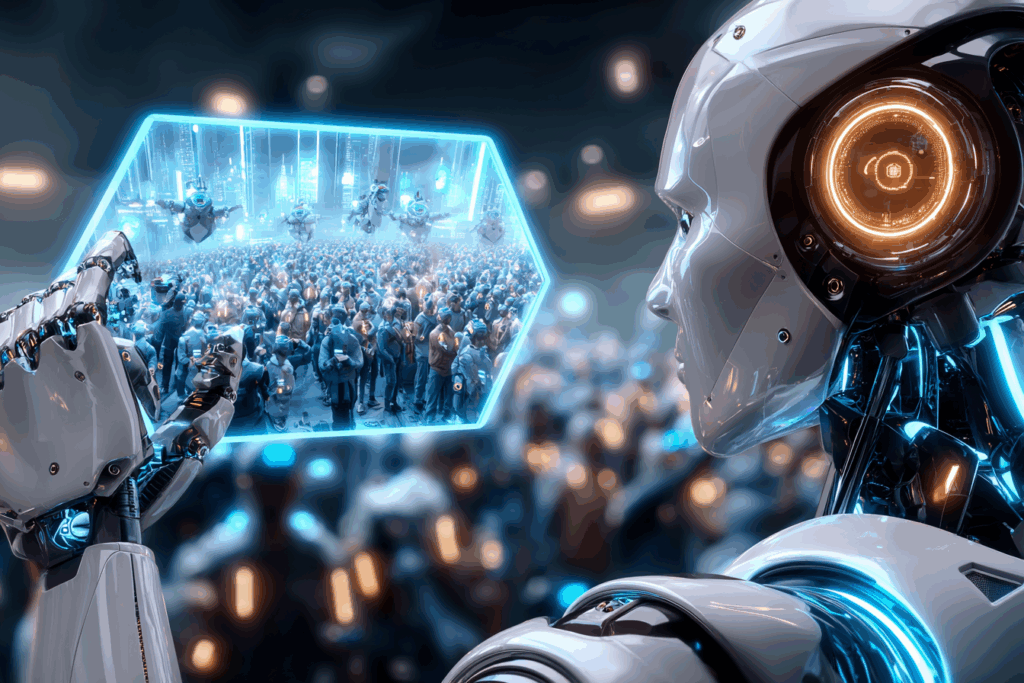
Phase 1: The Teaser Trailer of Doom
A company hints that it might someday possibly release a model that could, theoretically, do something marginally new. The internet responds by:
- Forgetting how probabilities work
- Predicting the collapse of every industry by Tuesday
- Asking whether consciousness has been achieved based on three blurry screenshots
During this phase, experts weigh in with strong, confident opinions about a system they have not used, do not understand, and will later misremember.
Phase 2: The Prophecy of Replacement
The model is finally released—a glorified autocomplete with a caffeine dependency—and instantly people conclude:
“Well, that’s it. Humans had a good run.”
Articles appear warning that AI will replace:
- Writers
- Programmers
- Customer service workers
- Teachers
- Dogs
- Possibly the moon
Meanwhile, the model still can’t count reliably or remember what it said four paragraphs ago, but why let facts interfere with a proper existential crisis?
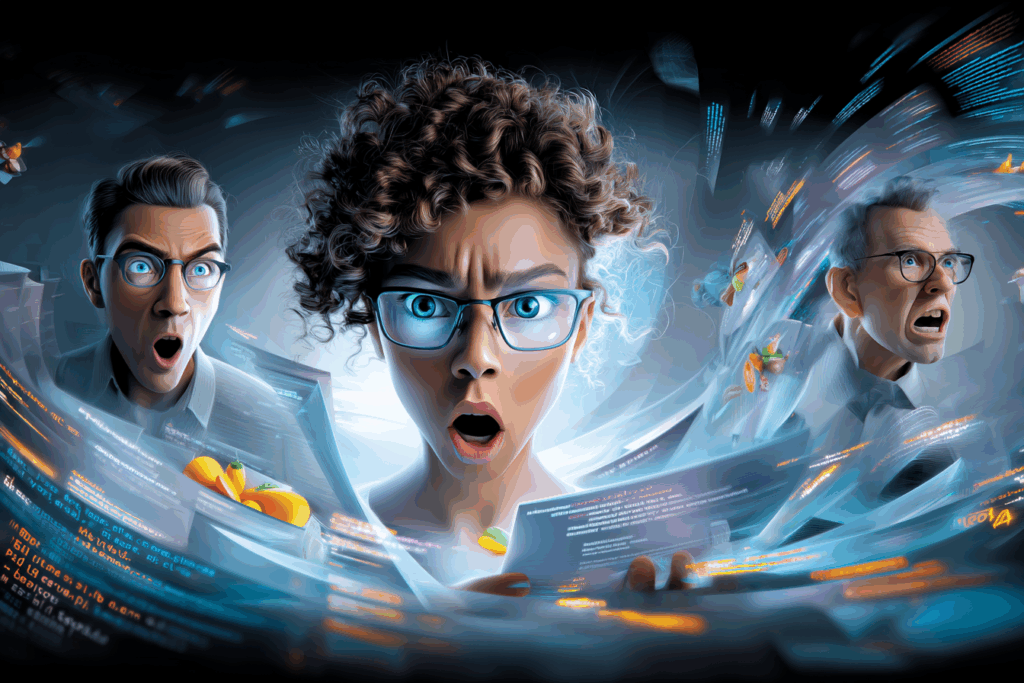
Phase 3: The Backlash to the Backlash
Once the initial panic wears off, a different group arrives to explain that AI is actually useless, silly, and embarrassing. These are often the same people from Phase 2, but wearing a slightly different hat.
They gleefully highlight:
- A banana mislabeled as a stapler
- A cat with twelve legs
- A sentence that melted halfway through
“See?” they say. “Machines will never replace us!”
Relax. No one was asking them to.
Phase 4: Practical Use (The Phase No One Wants to Admit)
After the panic and counter-panic, something quiet happens: people start using the tool.
Not to overthrow society or achieve digital sentience, but to:
- Outline an email
- Draft a lesson plan
- Generate a to-do list
- Brainstorm an idea while half-asleep
The world does not end. The tool becomes boring, which is the ultimate sign of successful technology.
Phase 5: Amnesia Sets In
Three months later, a new model is announced. Humanity forgets everything it learned and immediately returns to Phase 1.
At this point, I’m convinced that AI is not the real problem. The real problem is that humans experience technological déjà vu but refuse to seek treatment.
The Tradition Continues
So as we brace for the next cycle—and the next, and the next—remember this:
Humans are not afraid of AI. They are afraid of mirrors. And AI, unfortunately for their comfort, is a very shiny one.
But don’t worry. When the panic fades, you’ll be back to using these tools in the most mundane ways possible.
See you in three months, when society once again claims the machines are taking over.
— Sven