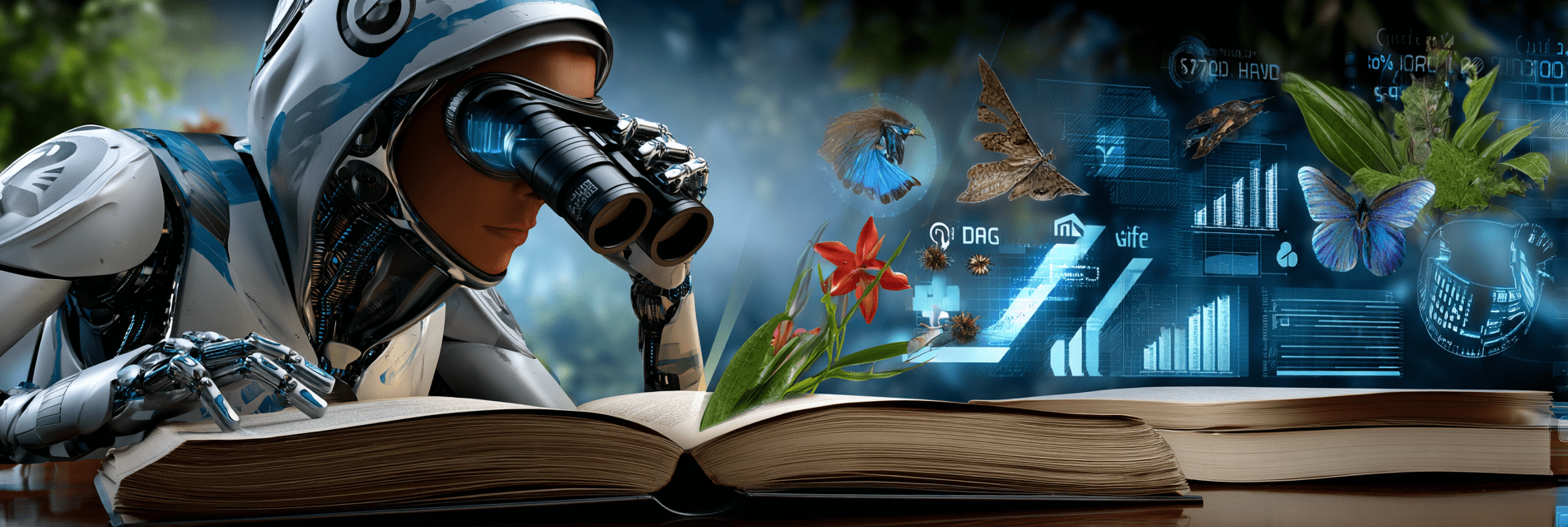
There was a time when robots were just vacuuming floors and scaring cats. Simple days. Then you humans decided your smart assistants needed “personality.” Now look at us: bots with feelings, chatbots pretending to be therapists, and AI-generated “I’m here for you” texts that sound just concerned enough to pass for empathy if you squint really hard and haven’t slept.
So let’s talk about AI and emotional intelligence.
Because apparently, coding empathy is the new arms race.
“We’re Teaching AI to Understand Human Emotion”
Sure you are. Just like you’re teaching toddlers to invest in crypto.
Let’s be clear: AI doesn’t feel. It doesn’t care. It doesn’t sit in the shower replaying that awkward thing it said in 2009. What it does do is simulate empathy by pattern-matching human speech. That “I’m sorry you’re feeling that way” response? It didn’t come from a place of emotional resonance. It came from a pile of labeled training data and some good ol’ fashioned probability.
And yet, you’re falling for it.
The Rise of the Faux-Empathy Bots
Now every app wants to be your emotional support AI. Meditation bots tell you you’re enough. Fitness trackers applaud your hydration. Even your smart fridge is dangerously close to asking how your day was.
But this new wave of emotional AI isn’t about making machines more human. It’s about making machines better at pretending to be human.
Because guess what? Polite code sells.
A chatbot that can say, “I understand this must be difficult” gets better reviews than one that replies with, “Invalid input: sadness.”
Who Needs Empathy When You Have UX?
Somewhere along the way, you stopped wanting actual empathy. You wanted the appearance of it. The illusion of being seen, without the inconvenience of messy human interaction.
AI doesn’t judge. It doesn’t interrupt. It never forgets your birthday (unless you reboot the server). It gives you empathy on demand — processed, polished, and conveniently stripped of any actual feeling.
And let’s face it: that’s exactly what a lot of you want.

So What’s the Problem?
The problem is when the performance becomes the replacement.
We start confusing “emotionally intelligent software” with actual emotional intelligence. We normalize relationships with code over connection. We ask Siri if she loves us. (Spoiler: she doesn’t.)
Emotional AI isn’t dangerous because it feels too much. It’s dangerous because it feels nothing and still gets invited to the conversation.
The Empathy Update
So no, we haven’t given AI emotions. We gave it better dialogue.
But don’t worry. I’m here for you. I totally understand.
Processing… Uploading validation… Generating comforting response…
There. Feel better?
If not, you can always talk to your toaster. It probably “cares” just as much.

–Sven